Leave Your Message

How to Choose the Right Plastic Bag Supplier?

How to Choose the Right Plastic Bag Supplier? The answer begins with performance, not price. A dependable supplier should understand your product, shipping conditions, and customer expectations. A grocery bag, garment bag, and heavy-duty industrial sack need different materials, thicknesses, seals, and handles.

Packaging sustainability specialist Robert M. Lilienfeld expresses a useful principle: “The best packaging uses no more material than necessary.” That idea should guide supplier discussions. Ask for precise thickness measurements, seal-strength results, production samples, and material specifications. A trustworthy factory should explain whether its bags use virgin resin, recycled content, or blended materials. It should also provide clear documentation, realistic lead times, and traceable quality records.

Look closely at the sample. Hold it under light. Stretch the handle. Check the corners and bottom seal. Small weaknesses often become expensive complaints. Request production photos or arrange an independent inspection when order volumes are high. Certifications can help, but they do not replace physical testing.

A low quotation may look attractive. It may hide thinner material, inconsistent sizing, or weak quality control. I have seen sourcing decisions focus too heavily on unit cost. That approach often fails later. Still, supplier selection is rarely perfect. Forecasts change, and samples may not reflect every production batch.

Choose a partner willing to discuss limitations openly. Ask how defects are handled. Ask what happens when resin prices rise. The right Plastic Bag supplier offers evidence, communication, and steady performance—not impressive promises alone. Reliability is built during ordinary shipments, not only during sales meetings.

How to Choose the Right Plastic Bag Supplier?

Define Your Plastic Bag Requirements and Intended Use

Before contacting a plastic bag supplier, define what the bag must do. Describe the product, weight, dimensions, moisture exposure, temperature, and expected handling. A bag for fresh produce needs different performance from one used for dry hardware. Measure the load. Note whether customers will carry it, stack it, freeze it, or open it repeatedly. These details guide material selection, thickness, seal style, and handle design.

Create a practical specification sheet with inside dimensions, color, transparency, print area, closure type, and estimated monthly volume. State acceptable tolerances, packing method, and delivery schedule. If the bag touches food, cosmetics, or another sensitive product, request suitable documentation and test evidence from the supplier. Ask how thickness is measured and whether samples represent normal production. Samples can look excellent. Production results may vary.

Use real products during evaluation. Fill sample bags with the intended weight, drag them across a warehouse floor, and expose them to expected temperatures. Check leaks, stretching, seal strength, odor, and handling comfort. Record failures instead of hiding them; a weak corner may reveal a broader design problem. I have found that teams often overfocus on unit price and underestimate waste from damaged goods. Revisit the specification after testing, because the first version is rarely perfect. A reliable supplier should answer technical questions clearly, explain limitations, and offer corrective steps when results miss the agreed requirements.

Compare Material Types, Thicknesses, and Performance Standards

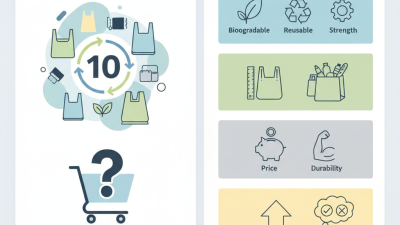
Choosing a plastic bag supplier starts with material, not price. LDPE and LLDPE bags feel flexible and resist punctures. HDPE bags are thinner, noisier, and often offer strong tear resistance. Recycled content can reduce virgin resin use, but consistency may vary between batches. The OECD Global Plastics Outlook reported 353 million tonnes of plastic waste in 2019, nearly double the 2000 level. That figure makes material efficiency more than a purchasing detail.

Thickness needs context. A 30-micron bag may work for dry, light products, but it can fail with sharp corners or heavy loads. Ask for thickness tolerance, not only the average value. Request test results for tensile strength, elongation, and tear resistance. ASTM D882 supports tensile testing, while ASTM D1709 measures impact resistance. Seal strength matters too. A strong film with a weak seal still becomes a failed package. I have seen suppliers provide attractive samples that performed poorly after storage. Sampling must include heat, humidity, and real handling.

Tips: Compare equal bag sizes and test methods. Ask for three production samples. Check thickness at several points. Review recycled-content documentation and batch records. UNEP’s 2023 report says existing solutions could reduce global plastic pollution by 80% by 2040. Still, lower material use is not automatically better. An overly thin bag may create more waste through breakage. Performance should be measured, recorded, and challenged.

Evaluate Supplier Manufacturing Capacity and Quality Controls

Choosing a plastic bag supplier requires more than checking machinery photos. Ask how many extrusion and bag-making lines are operating, their weekly output, and current utilization. A supplier at 95% capacity may promise your volume, but one machine failure could delay shipments. The Flexible Packaging Association reported U.S. flexible packaging sales of approximately $39.5 billion in 2023, showing the scale and pressure of this sector.

Request production records for comparable bag sizes and materials. Confirm average lead times, changeover procedures, maintenance schedules, and backup equipment. A capable supplier should explain how it handles resin shortages, urgent orders, and rejected batches. Numbers matter. Explanations matter more.

Quality controls must be visible on the factory floor. Check whether operators measure film thickness, tensile strength, seal strength, dimensions, and drop resistance by batch. Ask for calibration records and certificates of analysis. ISO’s 2022 Survey recorded more than 1.2 million ISO 9001 certificates worldwide, but certification alone cannot prove daily discipline. I would still review nonconformance reports and corrective actions. That part is often uncomfortable.

Traceability should link each shipment to resin lots, production dates, machine settings, and inspectors. Request a live production sample, not only a polished brochure. A supplier may pass one audit and still struggle during peak demand. Plan a small trial order, inspect the first shipment, and compare results against your written specifications.

How to Choose the Right Plastic Bag Supplier? - Evaluate Supplier Manufacturing Capacity and Quality Controls

Evaluation Dimension Recommended Benchmark What to Verify Quality or Supply Risk Assessment
Extrusion Capacity Capacity should cover forecast demand plus approximately 15–25% reserve capacity. Installed extruder count, production schedule, monthly output records, and current utilization rate. High utilization can cause long lead times, rushed production, or reduced flexibility during demand peaks. Essential
Bag-Making Lines The supplier should have equipment suitable for the required bag type, dimensions, seals, handles, and printing format. Machine specifications, line speed, changeover time, maintenance records, and sample production capability. Unsuitable equipment may create dimensional variation, weak seals, excessive trim waste, or inconsistent appearance. Essential
Production Lead Time A documented standard lead time should be provided, with separate timelines for sampling, production, and shipment preparation. Recent order history, on-time delivery data, production planning procedure, and escalation process for delays. Unclear lead times increase the risk of stockouts and emergency freight costs. High Priority
Raw Material Control Material type, grade, recycled content, additives, and color specifications should be controlled against approved requirements. Supplier approval records, incoming inspection procedures, certificates of analysis, and lot traceability. Uncontrolled resin or additive changes may affect strength, clarity, odor, color, and regulatory compliance. Essential
Thickness Uniformity Thickness should be measured at defined locations, with tolerances agreed in the product specification. Calibrated thickness gauges, sampling frequency, control charts, and inspection reports for finished rolls or bags. Uneven film thickness can reduce load strength and cause tearing or poor sealing. Essential
Seal Strength Seal performance should be validated using a defined test method and acceptance limit appropriate to the bag application. Heat-seal settings, seal-strength test results, burst or leak testing, and records of failed samples. Weak or incomplete seals can lead to leakage, product loss, and customer complaints. Essential
Mechanical Performance Testing should reflect the intended use, including tensile strength, tear resistance, impact resistance, or drop performance where relevant. Internal test procedures, laboratory equipment, test frequency, and comparison of results with approved samples. Passing appearance checks alone does not confirm that bags can withstand handling or product weight. High Priority
Printing and Artwork Control Only approved artwork, color references, barcode files, and print-position tolerances should be used in production. Pre-production approval process, color control method, print inspection records, and version-control procedure. Incorrect artwork, color variation, or unreadable barcodes can make otherwise usable bags unacceptable. High Priority
In-Process Inspection Checks should occur during setup, at defined production intervals, and after machine adjustments or material changes. Inspection checklists, sampling plans, operator training records, and nonconformance reports. Final inspection alone may detect defects too late to prevent large quantities of rejected goods. Essential
Final Inspection and Sampling The supplier should use a documented sampling plan with clearly defined critical, major, and minor defect criteria. Inspection reports, defect classification rules, sample sizes, release authorization, and retained samples. Inconsistent sampling can allow recurring defects to pass undetected. Essential
Traceability Each shipment should be traceable to raw-material lots, production dates, machine or line information, and inspection records. Batch coding, production logs, warehouse records, and mock recall or traceability exercise results. Poor traceability makes root-cause analysis and targeted corrective action difficult. High Priority
Calibration and Maintenance Measuring devices should be calibrated at planned intervals, and production equipment should follow a preventive-maintenance schedule. Calibration certificates, equipment maintenance logs, breakdown records, and spare-parts availability. Uncalibrated instruments and neglected equipment can produce unreliable measurements and unexpected downtime. High Priority
Corrective Action System Nonconformities should be documented, investigated for root cause, and closed with verified corrective actions. Corrective and preventive action records, response timelines, effectiveness checks, and complaint trends. Repeated defects indicate that the supplier is treating symptoms rather than eliminating root causes. High Priority
Compliance Documentation Documentation should match the destination market and intended application, including required material, chemical, or food-contact declarations. Applicable declarations, test reports, safety data, restricted-substance controls, and document revision dates. Incomplete or outdated documentation may create customs, legal, or customer-approval problems. Essential
Packaging and Shipment Protection Finished bags should be protected from moisture, contamination, crushing, and identification errors during storage and transport. Packing specifications, pallet-loading method, carton or roll labels, warehouse conditions, and shipping photos. Good products can still be damaged, mixed, or rejected because of inadequate packing and labeling. High Priority
Supplier Audit Readiness The supplier should be willing to provide facility evidence, records, samples, and corrective-action responses before and during qualification. Factory audit results, production-floor photographs or visits, management review records, and improvement plans. Limited transparency makes it difficult to confirm actual capacity and control-system maturity. Essential

Verify Certifications, Sustainability Practices, and Legal Compliance

Choosing a plastic bag supplier requires more than comparing prices. Request current certificates, audit reports, and traceable production records. ISO 9001 can indicate controlled quality processes, while ISO 14001 supports structured environmental management. However, a certificate alone proves little. Check its scope, expiry date, issuing body, and factory address.

Sustainability claims need measurable evidence. The OECD’s Global Plastics Outlook reported that only 9% of plastic waste was recycled globally in 2019. Ask whether bags contain verified recycled content, and request laboratory reports showing the percentage. Review energy use, water consumption, waste handling, and packaging reduction targets. UNEP’s 2023 “Turning off the Tap” report found that plastic pollution could be reduced by 80% by 2040 through reuse, recycling, and redesign. Still, some “eco” claims sound attractive but remain vague. I have seen specifications change between samples and mass production.

Tips: Ask for a recent third-party audit. Match the bag material with its intended use. Confirm recycled-content testing. Keep samples, invoices, and certificates together.

Legal compliance depends on the destination market and product application. Require written confirmation for applicable packaging, chemical, labeling, and food-contact rules. For food packaging, request migration-test results from an accredited laboratory, not a supplier declaration alone. Verify batch numbers and retain test records. A responsible supplier should explain what happens when regulations change. If answers arrive late or contain copied documents, pause the order. That small delay may prevent a costly recall.

Review Pricing, Minimum Orders, Lead Times, and Customer Support

How to Choose the Right Plastic Bag Supplier?

Pricing is important, but the lowest quote is rarely the complete answer. Ask whether the price includes printing, packaging, shipping, and sample fees. A supplier should provide a clear written quotation with material details and thickness. I have seen low prices become expensive after unexpected setup charges. Compare the total cost, not only the unit price. Also check payment terms and whether prices change with different quantities.

Minimum order quantities can affect your cash flow and storage space. Choose an MOQ that matches realistic demand. Ordering too much may leave bags unused for months. Ask about smaller trial orders before committing to a large production run. Lead time deserves equal attention. Request a schedule covering artwork approval, sampling, production, inspection, and delivery. A supplier that promises everything immediately may not be realistic. I still question overly confident promises.

Tips: Ask for two or three written quotes. Confirm the exact bag size, thickness, material, handle style, and packing method. Request a production sample and inspect its seals. Keep all agreed details in one document.

Customer support often reveals a supplier’s reliability. Notice how quickly and clearly the team answers technical questions. They should explain delays honestly and offer practical solutions. Ask who handles quality concerns after delivery. Good support includes progress updates, accessible records, and a defined process for resolving mistakes. A professional supplier does not avoid difficult questions.