2026 How to Choose the Right Plastic Bag for Your Needs?
Understanding how to choose the right plastic bag is essential in today’s diverse market. With countless options available, making an informed decision can be challenging. Plastic bags come in various shapes, sizes, and materials. Each type has unique features that cater to different needs. These characteristics can affect functionality and sustainability.
Many people overlook the environmental impact of plastic bags. It’s crucial to consider eco-friendly options. Biodegradable and recyclable bags are gaining popularity. They provide a sustainable choice for consumers who are environmentally conscious. However, not all plastic bags are created equal. Some may not perform well under certain conditions.
When selecting a plastic bag, think about your specific requirements. Consider factors like strength, size, and usage purpose. A bag suited for groceries may not be ideal for storing documents. This thought process is vital for making the best choice. Reflect on what fits your lifestyle and values. Your selection of a plastic bag will impact both your daily routine and the environment.
Understanding Different Types of Plastic Bags Available in the Market
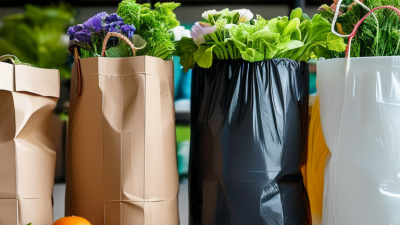
When selecting the right plastic bag, understanding the various types available can significantly impact your decision.
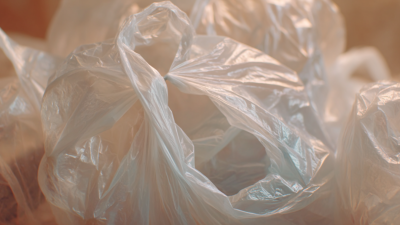
Grocery bags, like HDPE or LDPE, are common for daily use. These bags are lightweight yet sturdy. They often serve multiple purposes, from shopping to storage.
Recyclable options are also available. Biodegradable bags provide an eco-friendly alternative, breaking down over time. Consider your usage scenarios carefully.
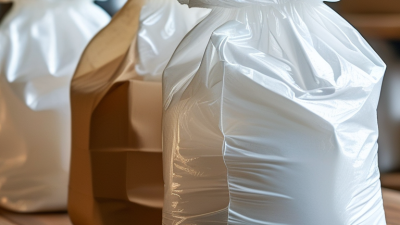
Different tasks may require different bags. For heavy items, opt for thicker, more durable material.
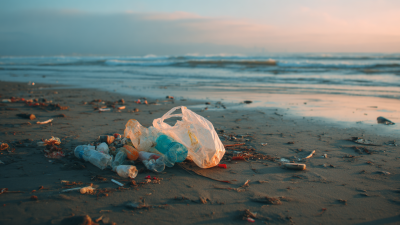
Consider the environmental impact of your selection. Some bags are not recyclable and can harm wildlife. Always aim for a balance between convenience and sustainability. Look for local recycling programs to dispose of your bags properly. This habit not only helps the planet but also promotes responsible usage.
Identifying Your Specific Needs and Applications for Plastic Bags
When selecting the right plastic bag, it's essential to assess your specific needs and applications. The type of plastic bag can significantly impact both functionality and environmental sustainability. For instance, according to a recent industry report, approximately 50% of consumers prefer reusable options for grocery shopping due to growing environmental concerns. This shift highlights the need for bags that are not only durable but also eco-friendly and capable of supporting various weights and sizes.
Different applications require different materials. A study from the Flexible Packaging Association indicates that about 30% of plastic bags are used for food storage. In this case, food-safe, BPA-free materials are critical. Similarly, heavy-duty bags designed for construction or storage can hold up to 50 pounds, while lighter bags are suitable for retail. Identifying whether you need low-density polyethylene (LDPE) or high-density polyethylene (HDPE) bags can make a notable difference in performance.
It's also important to reflect on how your choices align with personal values and sustainability goals. Many find the abundance of options overwhelming. Industry data shows that improper disposal of plastic bags contributes to 100,000 marine mammal deaths annually. This reality prompts us to think critically about the kind of plastic bags we use and their life cycle. By understanding your specific requirements and the broader environmental context, you can make more informed selections that reflect both practicality and responsibility.
Evaluating Material Quality and Environmental Impact of Plastic Bags
When selecting a plastic bag, understanding material quality is essential. Many bags are made from polyethylene, which varies in thickness and density. Thin bags may seem convenient but often tear easily. A thicker bag can hold more weight, which is crucial for practical use. It’s worth considering the intended purpose of the bag. Will it carry groceries or be used for storage? The material used directly affects durability and usability.
Environmental impact also plays a significant role in decision-making. The production of plastic bags consumes resources and contributes to pollution. Biodegradable options exist, which can break down more naturally. However, their effectiveness varies. Some may not decompose efficiently in typical landfill environments. Users should reflect on their disposal habits when choosing bags. It’s important to strike a balance between convenience and environmental responsibility. Educating oneself about disposal processes can lead to more sustainable choices.
2026 How to Choose the Right Plastic Bag for Your Needs?
| Bag Type |
Material Quality |
Load Capacity (kg) |
Biodegradability |
Environmental Impact |
| HDPE |
Good |
10-15 |
No |
Moderate |
| LDPE |
Fair |
5-10 |
No |
Low |
| PP |
Excellent |
15-20 |
No |
Moderate |
| Biodegradable |
Good |
8-12 |
Yes |
Low |
| Compostable |
Very Good |
7-10 |
Yes |
Very Low |
Comparing Cost and Performance Factors in Plastic Bag Selection
Choosing the right plastic bag involves understanding both cost and performance factors. According to a 2022 industry report, over 80% of consumers prioritize durability. Thicker bags generally offer better strength but can cost more. For instance, the price for a standard grocery bag can range from $0.05 to $0.20, depending on material and thickness.
When evaluating options, consider the specific use. Biodegradable bags are eco-friendly but often have a higher upfront cost. A study by the Plastic Pollution Coalition shows that these bags decompose in 3-6 months in a composting environment. However, their performance under heavy loads may not match traditional options. It's crucial to assess the environmental impact against the functionality needed.
Pay attention to the environmental certifications of bags you choose. Not all bags labeled "biodegradable" meet the same standards. Look for compliance with recognized organizations for assurance. The right plastic bag can enhance your operations and reduce environmental harm. A thoughtful selection can save costs in the long run.
2026 Plastic Bag Selection: Cost vs Performance
Guidelines for Proper Disposal and Recycling of Plastic Bags
Plastic bags are convenient for many everyday tasks, but their disposal requires careful consideration. Many people are unaware of the environmental impact of improper plastic bag disposal. Discarding these bags incorrectly can lead to pollution and harm wildlife. It's crucial to be informed about proper disposal methods to help mitigate these issues.
To dispose of plastic bags correctly, first check if your local recycling program accepts them. Many places do not accept plastic bags in curbside bins. Instead, look for designated drop-off locations, often at grocery stores. Keeping plastic bags clean and dry before recycling increases the chances of them being processed effectively.
When using plastic bags, consider reusing them whenever possible. They can serve multiple purposes, such as organizing items at home or as waste liners. If you must dispose of them, remember that not all bags are recyclable. It’s important to evaluate your usage and make conscious choices. Reflecting on how often you rely on bags can lead to better habits.