How to Choose the Right Plastic Bag for Global Sourcing?
Choosing the right plastic bag for global sourcing can seem overwhelming. Many factors influence the decision, from material to functionality. Expert in the field, Dr. Emily Zhang, states, "Understanding the right type of Plastic Bag Plastic is crucial for sustainability and efficiency." Her insights highlight the importance of selecting the right plastic for specific needs.
The variety of plastic bags available today can be confusing. Different uses require different materials, weights, and sizes. For instance, heavy-duty bags are essential for transporting heavy goods, while lightweight bags are suitable for less demanding tasks. It's vital to match the plastic type with the intended application to avoid waste and inefficiency.
Moreover, many organizations overlook the impact of their choices. Some may focus too much on cost, compromising quality and sustainability. This short-sightedness can lead to issues down the line, like customer dissatisfaction and environmental damage. Reflecting on these choices is essential in today’s market. Balancing cost, quality, and environmental responsibility is key for success in global sourcing.

Understanding Different Types of Plastic Bags for Global Sourcing
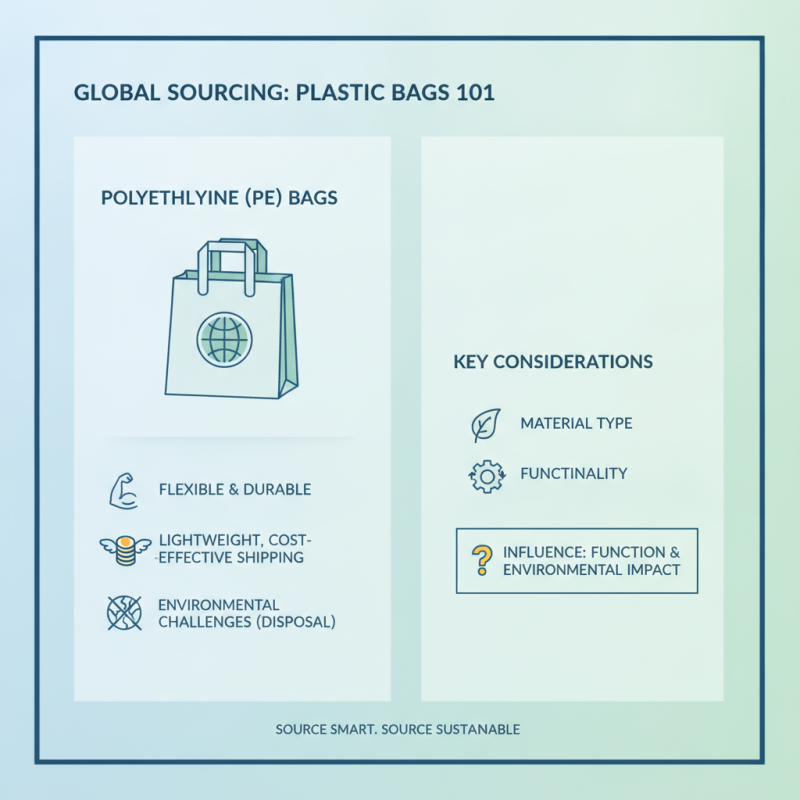
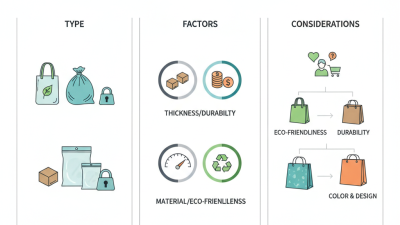
When sourcing plastic bags globally, understanding the various types available is crucial. Different materials can influence functionality and environmental impact. For instance, polyethylene bags are popular for their flexibility and durability. They are lightweight, making them cost-effective for shipping. However, their disposal can pose environmental challenges.
Biodegradable bags offer an alternative for eco-conscious consumers. While they break down more easily, they may not be as strong or versatile as conventional plastic. This trade-off requires careful consideration. Additionally, reusable bags made from thicker plastics can be a sustainable choice for long-term use. However, they often have a higher upfront cost.
Choosing the right plastic bag means evaluating your specific needs. Consider the weight of the items they will carry. Assess how these bags impact your brand's image. Understanding your target market can greatly influence this decision. Reflecting on these aspects will lead to a more responsible sourcing approach.
Evaluating Environmental Impact and Sustainability of Plastic Options
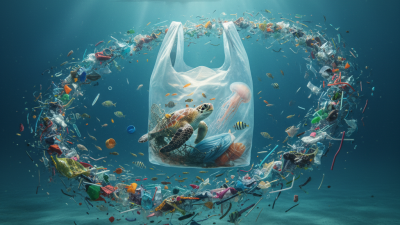
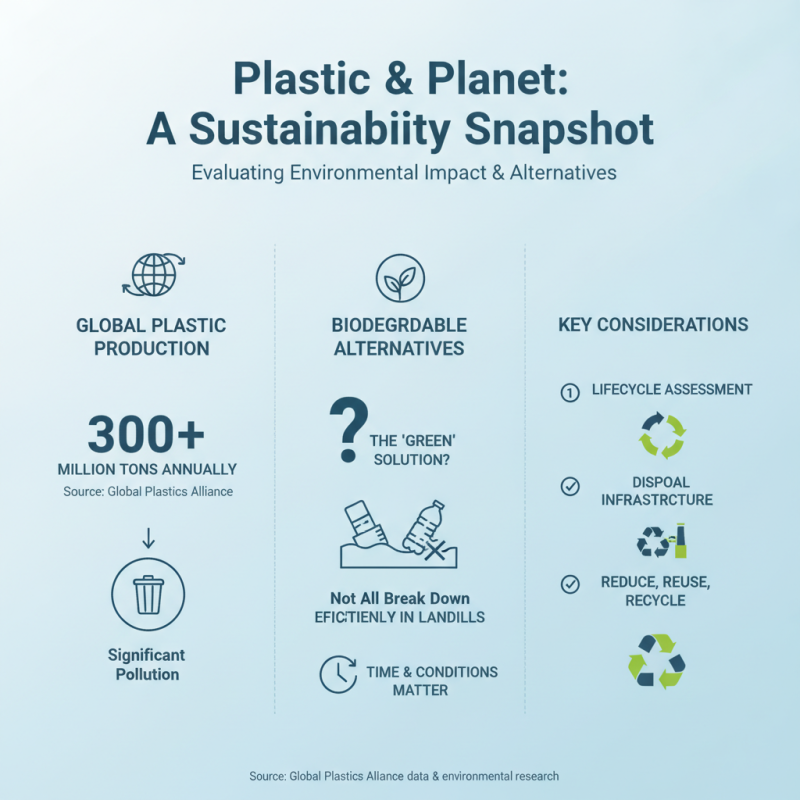
When evaluating the environmental impact of plastic options, it's essential to consider several factors. According to the Global Plastics Alliance, over 300 million tons of plastic are produced annually. This staggering amount contributes significantly to global pollution. Many businesses are turning to biodegradable plastic alternatives. However, not all biodegradable plastics break down efficiently in landfills.
A 2022 study from the Environmental Protection Agency (EPA) highlighted that only 9% of plastic waste is recycled. The rest typically ends up in oceans or landfills, harming ecosystems. Sustainable sourcing must prioritize recycled materials. Using recycled plastics can reduce carbon emissions by up to 75%.
Life cycle assessments (LCAs) are crucial for understanding the true environmental impact of various plastic options. Initial costs for sustainable options may be higher, but long-term benefits are substantial. A shift towards sustainable sourcing requires ongoing evaluation and adjustment. In the end, transparency in sourcing practices will foster accountability.
Assessing Durability and Functionality for Specific Use Cases
Selecting the right plastic bag for global sourcing involves a critical look at durability and functionality. It’s essential to analyze the specific use case for each bag type. According to the Plastics Industry Association, approximately 100 billion plastic bags are used each year in the United States alone. This staggering figure emphasizes the need for appropriate selection to reduce waste.
For heavy-duty applications, thicker materials are preferred. A bag with a thickness of 2.5 mils can carry more weight and resist punctures. On the other hand, for lightweight products, a standard 1.0 mil bag may suffice. One report highlights that nearly 70% of consumers prefer bags that can be reused. This statistic suggests that choosing durable bags can also support sustainability efforts.
Tips: Always check for certifications displaying the bag’s quality. Look for bags that meet durability tests, like the American Society for Testing and Materials (ASTM) standards. Not every bag will perform as expected. Sometimes, manufacturers may overlook the effectiveness of sealing methods, which can lead to failures.
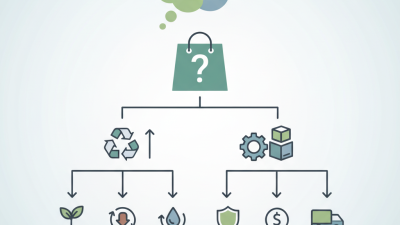
Finally, consider environmental impact. Biodegradable and recyclable options are trending. They provide functionality without compromising sustainability. The choice should balance cost, durability, and environmental responsibility. Understanding these factors cultivates better sourcing decisions that align with company values while meeting industry standards.
Analyzing Cost Factors in Sourcing Plastic Bags Globally
When sourcing plastic bags globally, cost factors play a crucial role. The price of raw materials fluctuates based on global market trends. It's vital to assess the quality needed for your specific use case. Cheaper options may compromise durability or safety. Thus, considering long-term expenses becomes essential.
Shipping costs also significantly impact the overall budget. Different regions have varying freight fees. If you choose a supplier far from your market, the transport costs can eat into profits. Local suppliers may offer higher base prices but save on shipping. Always calculate the total landed cost.
Lastly, exchange rates can introduce unpredictability. A shift in currency value might turn a good deal into a poor one overnight. Keeping an eye on exchange trends helps mitigate this risk. Balancing these factors requires careful consideration and occasional adjustments. You may find that your initial choice isn't always the best in practice.
How to Choose the Right Plastic Bag for Global Sourcing? - Analyzing Cost Factors in Sourcing Plastic Bags Globally
| Bag Type |
Material |
Average Cost (USD) |
Typical Uses |
Sourcing Country |
| T-shirt Bag |
HDPE |
0.02 |
Retail, Grocery |
China |
| Gusseted Bag |
LDPE |
0.03 |
Food Packaging |
Vietnam |
| Flat Bag |
PP |
0.04 |
Clothing, Merchandise |
India |
| Zip Lock Bag |
PE |
0.05 |
Storage, Food |
Thailand |
| Custom Print Bag |
BOPP |
0.10 |
Brand Promotion |
Malaysia |
Identifying Regulatory Compliance and Standards for Plastic Bags
When selecting plastic bags for global sourcing, regulatory compliance is a crucial factor. Different regions have specific regulations that govern the usage of plastic bags. For instance, the European Union has strict directives in place to mitigate plastic pollution. According to a 2021 report from the European Commission, about 80% of marine litter originates from plastic waste. Understanding these regulations ensures that businesses comply while also mitigating environmental impact.
Standardization of materials is another area that requires attention. Various standards exist, such as ISO 18601 and ASTM D7071, which outline requirements for biodegradable plastics. Not adhering to these standards can lead to legal setbacks. For instance, non-compliance can result in hefty fines or loss of market access. The 2022 Global Plastic Standards Report highlighted that 26% of businesses faced challenges due to non-compliance, emphasizing the importance of staying informed.
Documentation is essential in maintaining compliance. Businesses must provide clear evidence of product testing and certification. Third-party testing agencies can offer validation but may introduce delays. Regular reviews of compliance documentation can help avoid pitfalls. Reflecting on past sourcing experiences can reveal gaps in knowledge, prompting necessary adjustments in operations.