Top Plastic Pouches for Global Buyers What to Consider?
In the global packaging market, Plastic Pouches have gained immense popularity. These versatile containers are favored for their lightweight and customizable nature. Buyers need to consider several factors when selecting the right plastic pouches for their needs.
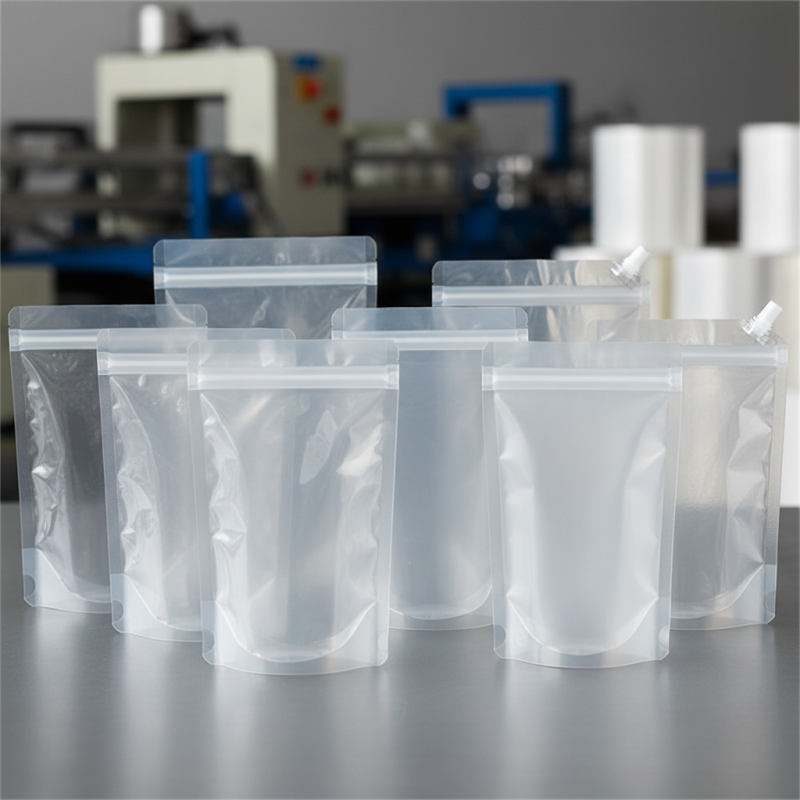
Understanding material options is critical. Not all plastics are created equal. Buyers must assess durability and environmental impact. The design also plays a significant role in functionality. Featuring resealable zippers or spouts can enhance usability. However, cost and production limitations could restrict choices.
Another factor is the regulatory compliance of these plastic pouches. Different regions have varying regulations. Meeting these requirements ensures safe and reliable packaging. Ultimately, investing in quality plastic pouches is essential for brand image. Knowledge about materials, designs, and compliance leads to informed decisions, but not every option suits all needs. Buyers must reflect on their unique requirements and priorities.
Essential Features of Plastic Pouches for Global Market Buyers
When selecting plastic pouches for global markets, buyers should focus on several essential features.
Durability is paramount.
A report by Smithers Pira highlights that the global flexible packaging market, which includes pouches, is projected to reach $300 billion by 2025.
Long-lasting materials ensure that products remain safe during shipping and storage.
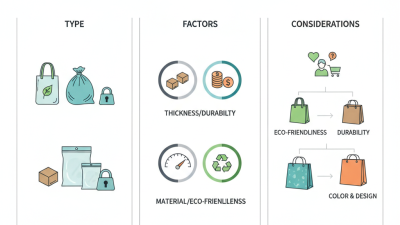
Thickness often determines a pouch’s strength; the higher the gauge, the more resilient the packaging.
Another critical aspect is barrier properties.
Pouches that provide excellent oxygen and moisture barriers can extend shelf life.
According to Grand View Research, such features are vital for industries like food and pharmaceuticals, where preservation is key.
Tailored barrier technologies can protect contents from spoilage or contamination, which is non-negotiable for quality assurance.
Sustainability is becoming increasingly important.
The Eco-Packaging Alliance reports that 79% of consumers would choose brands prioritizing eco-friendly packaging.
Buyers must evaluate the recyclability and environmental impact of materials.
Innovations in bioplastics offer promising alternatives but can raise questions about performance in diverse climates.
Balancing sustainability with functionality requires careful consideration and ongoing market reflection.
Types of Plastic Pouches: Understanding Different Options Available
When exploring plastic pouches, buyers face various options. Selecting the right type requires understanding their specific functions and features. Common choices include stand-up pouches, flat pouches, and roll stock. According to a recent industry report, the stand-up pouch market alone is projected to reach $42 billion by 2027. This format provides convenience and visibility, appealing to consumers.
Flat pouches offer another solution. They are typically used for packaging items like snacks and pet food. Their space-efficient design allows for easy storage and shipping. However, they may lack the visual appeal found in other formats. A growing trend is the use of recyclable plastic materials, driven by consumer demand for environmentally friendly packaging. Data indicates that 50% of consumers prefer brands that pursue sustainability.
Despite these options, challenges exist. Not every pouch is suitable for every product. For example, liquid packaging requires more robust barriers to prevent leaks. Quality control is essential to avoid product contamination. Brands must weigh these factors carefully to ensure the best selection for their needs. The evolving landscape of consumer preferences also requires ongoing adaptation.
Factors Affecting Plastic Pouch Quality and Durability
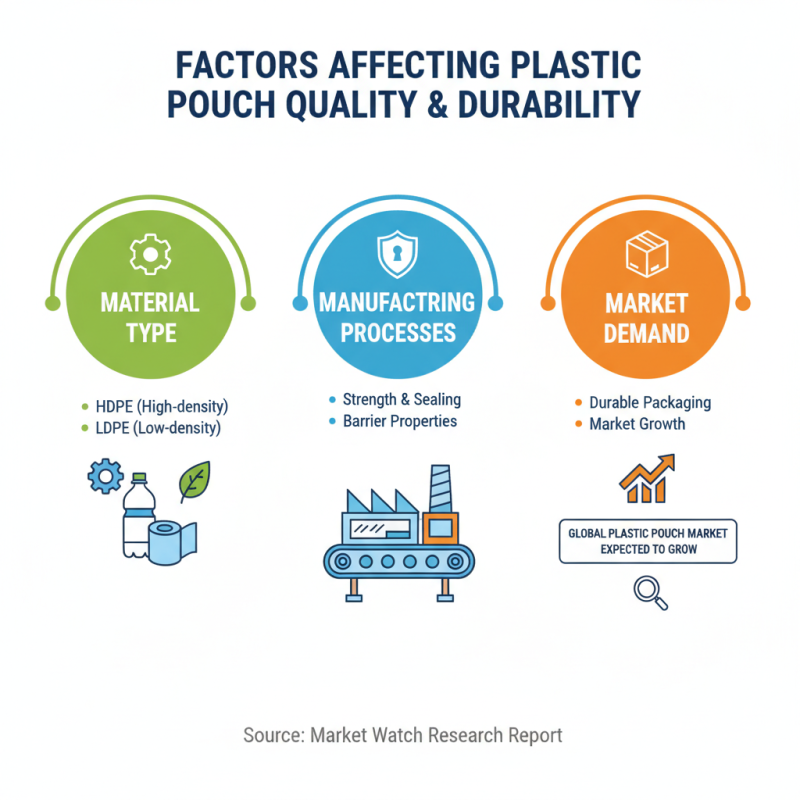
When evaluating plastic pouches, several crucial factors impact their quality and durability. The material used is essential. High-density polyethylene (HDPE) and low-density polyethylene (LDPE) are common choices. According to a research report by Market Watch, the global plastic pouch market is expected to grow significantly, driven by the demand for durable packaging solutions. Yet, the actual durability of pouches varies widely depending on the manufacturing processes.
Sealing techniques also play a vital role. Poor seals can lead to leakage or contamination issues. A study by Smithers Pira highlighted that approximately 30% of product returns are due to packaging failures. This statistic reveals how critical proper sealing is for ensuring consumer satisfaction and product integrity. Manufacturers must prioritize quality control during production, ensuring consistent seal strength.
Additionally, environmental factors cannot be overlooked. UV exposure and temperature fluctuations can degrade pouch integrity over time. Data from the Flexible Packaging Association indicates that pouches exposed to extreme conditions can lose up to 20% of their durability within a few months. This is a reminder of the importance of assessing the entire supply chain. Each phase, from production to end-user conditions, affects the overall performance of plastic pouches.
Sustainability Considerations in Plastic Pouch Selection
When selecting plastic pouches, sustainability plays a critical role. Environmental impact is a primary concern for many buyers. Choosing eco-friendly materials can help reduce waste. Many pouches are now made from recyclable or biodegradable plastics. This change reflects a growing demand for sustainable packaging solutions.
Tips: Look for certifications that guarantee the pouch is environmentally safe. Research companies that prioritize sustainability in their production processes. Inquire about the life cycle of the materials used in the manufacturing.
Another consideration is the reduction of single-use plastics. Composite materials made from plant-based resources offer a promising alternative. They provide a lower carbon footprint but may require careful handling. Not all pouches in the market meet durability standards. Therefore, evaluating the right balance between sustainability and function is essential.
Tips: Choose pouches that maintain product integrity while being eco-conscious. Test the pouches to ensure they meet necessary standards. Consider how the pouch will be disposed of after its use. Reflect on the long-term environmental impact of your choices.
Cost Analysis: Budgeting for Plastic Pouches in International Trade
When considering plastic pouches for international trade, cost analysis remains crucial. Buyers often overlook hidden expenses. Import duties, shipping fees, and customs charges can significantly affect overall costs. A well-prepared budget accounts for these variables.
Materials also impact pricing. Plastic pouches come in various grades, affecting durability and cost. Buyers should assess the balance between price and quality. Cheaper options may lead to damages, which can result in loss during transit.
Additionally, it's essential to evaluate suppliers carefully. Not every vendor offers transparent pricing. Trustworthy suppliers provide detailed quotes and clarify potential extra costs. Comparing multiple sources helps identify the most cost-effective solution. However, rushing this process can lead to regrettable choices. Keeping a checklist for quality control could mitigate risks.
Top Plastic Pouches for Global Buyers - Cost Analysis: Budgeting for Plastic Pouches in International Trade
| Pouch Type |
Material |
Average Cost per Unit ($) |
Minimum Order Quantity |
Lead Time (Days) |
| Stand-Up Pouches |
PET/NYLON |
0.25 |
10,000 |
30 |
| Flat Pouches |
LDPE |
0.15 |
15,000 |
25 |
| Zipper Pouches |
PET/PE |
0.30 |
8,000 |
40 |
| Retort Pouches |
PET/ALU/PE |
0.50 |
5,000 |
50 |
| Custom Printed Pouches |
BOPP/PE |
0.40 |
12,000 |
35 |