Top 10 Coffee Packaging Solutions for Global Buyers?
In the ever-evolving world of coffee, packaging plays a crucial role. As industry expert Dr. Emily Carter states, "Effective coffee packaging enhances freshness and attracts consumers." This insight underscores the importance of quality packaging solutions in the coffee sector. Buyers are not just looking for aesthetics; they want functionality and sustainability too.
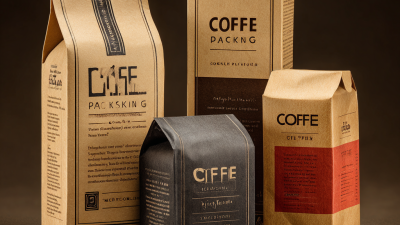
The global coffee market has seen a surge in demand for innovative ***coffee packaging*** solutions. These options must preserve flavor while also showcasing the brand identity. From biodegradable materials to resealable bags, the choices are vast. However, many companies struggle to balance cost and quality.
It’s essential to recognize that not every approach works for every brand. The perfect solution often requires careful consideration and adaptation. As we explore the top 10 coffee packaging solutions, remember that the industry is still grappling with emerging trends and technologies. The journey toward optimal packaging is one of learning and evolution.
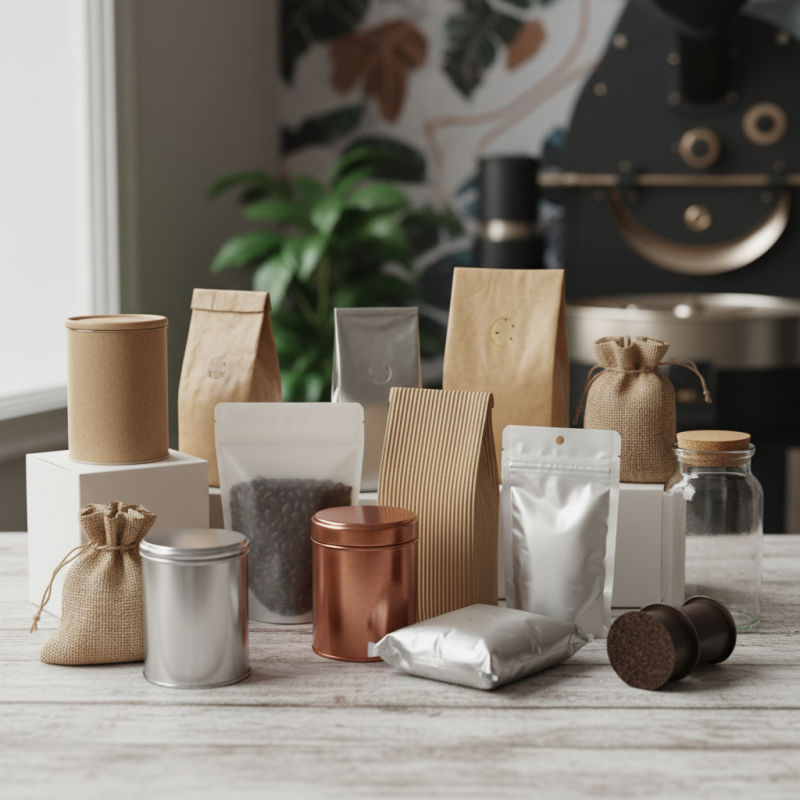
Key Considerations for Selecting Coffee Packaging Solutions
When selecting coffee packaging solutions, a few key considerations can make a significant difference. First, the material of the packaging is crucial. A study from the Packaging Association reported that over 70% of consumers consider packaging sustainability when choosing products. Biodegradable and recyclable materials are becoming more popular. They not only appeal to eco-conscious buyers but also reduce environmental impact.
Another important factor is functionality. Resealable bags enhance the user experience, keeping coffee fresh longer. According to a recent report by Food and Beverage Packaging, 65% of consumers prefer resealable options. Additionally, visual appeal can’t be overlooked. Eye-catching designs attract consumers on crowded shelves. They should reflect the quality of the coffee inside.
Tips: Ensure that your packaging clearly communicates freshness and quality. Use vivid colors and bold typography. Consider using transparent windows to showcase the beans. Being transparent about ingredients builds trust.
Lastly, consider market trends and consumer preferences. Packaging innovation is rapid. Keeping an eye on current trends is essential. Consumer behavior can vary regionally, necessitating adaptability. It’s worthwhile to periodically reassess packaging effectiveness.
Top 10 Coffee Packaging Solutions for Global Buyers
Exploring Different Types of Coffee Packaging Materials
When discussing coffee packaging materials, sustainability is increasingly important. Many companies are now opting for biodegradable options. These materials can break down naturally, reducing environmental impact. However, their durability is sometimes questioned. Brands must balance eco-friendliness with the need to keep coffee fresh.
Plastic is another common choice due to its versatility. It can preserve flavor and aroma effectively. But, it often leads to significant waste. While many consumers enjoy its practicality, some express concerns over long-term environmental effects. Innovations, like reusable packaging, are beginning to address these issues.
Additionally, paper packaging is valid for many brands aiming for a rustic aesthetic. It provides a natural look and can be recycled easily. Yet, it may not offer the same level of protection against moisture as plastic. Finding the right packaging solution involves weighing benefits and drawbacks diligently. Each material presents unique characteristics and challenges that require thoughtful consideration.
Innovative Design Trends in Coffee Packaging
The coffee packaging industry is witnessing dynamic design trends. According to a recent report by Mordor Intelligence, the global coffee packaging market is projected to reach $30.03 billion by 2025, growing at a CAGR of 6.2%. This growth reflects increasing consumer preference for premium coffee products and sustainable packaging solutions.
Innovative materials play a crucial role in this transformation. Biodegradable and recyclable materials are becoming more prevalent. Brands use materials like plant-based plastics to reduce environmental impact. This shift resonates with consumers seeking eco-friendly options, aligning with a growing trend towards sustainability in the food and beverage sector.
However, challenges remain. The balance between functionality and aesthetics can be tricky. Packaging must preserve coffee's freshness while also appealing visually. Some designs may look attractive but fail to protect the product effectively. Moreover, brands must consider labeling regulations in various markets, adding complexity to design processes. Embracing innovation requires brands to reflect on their approach, ensuring that creativity does not compromise quality.
Sustainability Factors in Coffee Packaging Solutions
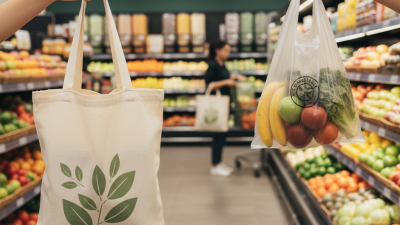
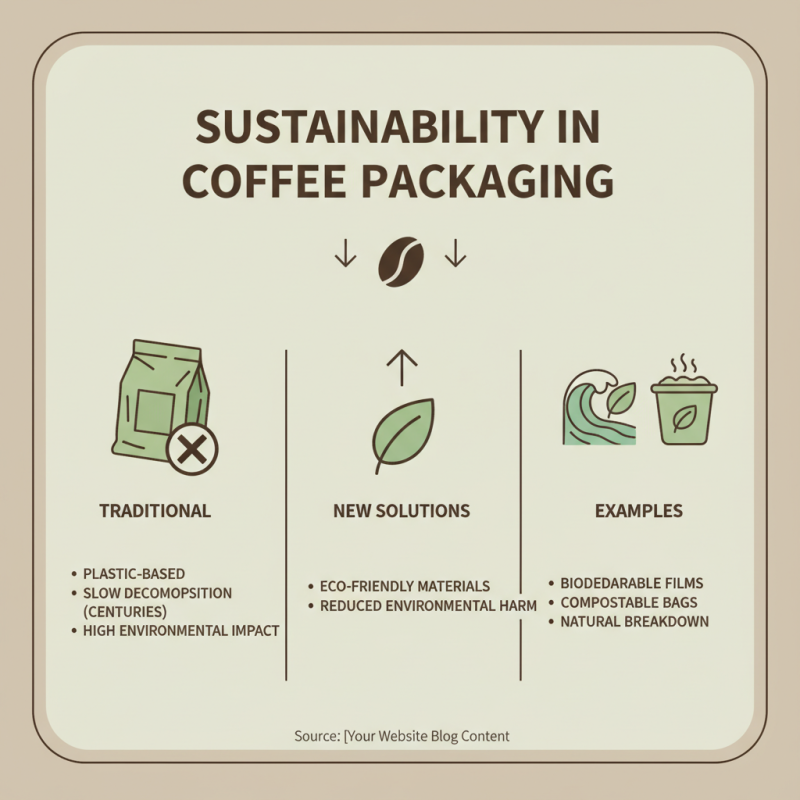
Sustainability is a key concern in coffee packaging solutions today. Many coffee buyers are looking for eco-friendly materials to reduce their environmental impact. Traditional packaging often relies on plastic, which can take centuries to decompose. However, alternatives are emerging, such as biodegradable films and compostable bags that can break down naturally.
A significant challenge remains in balancing functionality and sustainability. Packaging must protect the coffee from light, moisture, and air to maintain freshness. Some sustainable options may not yet perform as well as traditional materials. This prompts questions about effectiveness and consumer acceptance.
Moreover, the sourcing of materials plays a crucial role. Local sourcing of sustainable packaging can reduce carbon footprints and support local economies. Yet, not all regions have access to such resources. The innovation in sustainable coffee packaging is ongoing, reflecting a growing recognition of its importance in the supply chain. Each step counts toward a more eco-conscious future. The industry must continue pushing for improvements while addressing these pressing concerns.
Cost-Effectiveness of Packaging Options for Coffee Producers
When considering packaging solutions for coffee, cost-effectiveness is crucial. For producers, budget constraints are a reality. Selecting the right materials can significantly impact overall expenses. Flexible packaging, like pouches, often costs less and extends shelf life. This balance between cost and quality is vital for small-scale roasters.
Tips: Explore local suppliers for materials. They might offer competitive pricing over international options.
Biodegradable options are gaining traction. They appeal to eco-conscious consumers. While these may have a higher upfront cost, they can enhance brand loyalty. As consumers become more aware, sustainable packaging can be a worthwhile investment. It’s essential to weigh the immediate costs against long-term benefits.
Tips: Conduct a cost analysis before making any decisions. Understanding your target market helps tailor packaging solutions.
Ultimately, the right packaging should reflect both functionality and aesthetics. Experimenting with different designs can yield valuable insights. Simplicity is sometimes overlooked but can lead to standout products. Regularly seek feedback to ensure your packaging meets consumer expectations.