2026 Top Trends in Plastic Packaging Bags What to Expect?
The landscape of Packaging Bag Plastic is evolving rapidly, driven by innovation and sustainability. According to a recent report by Smithers Pira, the global plastic packaging market is projected to reach $1 trillion by 2026. This growth is notable as consumers become more environmentally conscious and seek sustainable alternatives. Yet, challenges remain in balancing performance and ecological impact.
In recent years, biodegradable and recyclable options have gained traction in the packaging industry. However, the transition is not seamless. The complexity of material composition in traditional plastic bags complicates recycling processes. The demand for packaging that is both functional and eco-friendly is pushing manufacturers to rethink their strategies. While advancements are being made, the reality is that not all products meet sustainability goals.
The future of Packaging Bag Plastic will be defined by innovation. As companies aim to improve their environmental footprints, it’s essential to address flaws in the current systems. This requires collaboration among stakeholders and investment in new technologies. The trends emerging in 2026 will likely stem from a desire to create better solutions for consumers and the planet alike.

Emergence of Sustainable Materials in Plastic Packaging Bags
The trend toward sustainable materials in plastic packaging bags is gaining momentum. Recent reports indicate that the global sustainable packaging market is projected to reach $800 billion by 2026. This growth reflects heightened consumer awareness about environmental impact. Eco-friendly materials are not merely a trend; they are becoming essential in packaging solutions.
As companies innovate, the use of biodegradable plastics is rising. These materials break down more easily, reducing landfill waste. In fact, research shows that consumers are willing to pay 15-20% more for sustainable options. This shift presents both opportunities and challenges. While developing sustainable products can be costly, the long-term benefits outweigh the initial investment.
Tips for brands: Consider incorporating recycled materials into your supply chain. Engage with suppliers who prioritize sustainability. Monitor industry trends carefully, as consumer preferences are evolving rapidly. A commitment to sustainability can enhance brand loyalty, but it requires continuous improvement and authenticity in practices. Frequent evaluations of your sustainability goals are necessary to remain competitive in this changing landscape.
Advancements in Technology Driving Innovation in Packaging Design
The landscape of plastic packaging bags is shifting rapidly, driven by technological advancements. Recent industry reports highlight that over 45% of packaging innovations stem from improved technology. This isn't just about being more efficient; it's about creating smarter, more sustainable options. For instance, newer materials like biodegradable films and lighter plastics are gaining traction. These innovations reduce waste and promote a circular economy.
Data from the Global Packaging Alliance indicates that companies investing in design and technology can achieve up to 30% cost reductions. Innovations in machinery and automation help streamline production processes. Yet, with these changes, challenges arise. Not all manufacturers can keep pace with rapid technological shifts. Many struggle to implement sustainable practices effectively. This gap underscores the need for ongoing education and collaboration in the industry.
Additionally, the importance of consumer preferences cannot be overlooked. A recent survey revealed that 70% of consumers prefer brands utilizing eco-friendly packaging. This demand puts pressure on manufacturers to evolve constantly. However, transitioning to sustainable materials often involves higher initial costs and complex supply chain adjustments. Balancing innovation with practicality remains a critical challenge for the plastic packaging sector.
Top Trends in Plastic Packaging Bags for 2026
This chart illustrates the top trends anticipated in plastic packaging bags for 2026, measured on a scale of 1 to 10, reflecting their importance in the industry. Sustainability tops the list, indicating a significant shift towards eco-friendly solutions.
Shifts in Consumer Preferences Towards Eco-Friendly Solutions
Consumer preferences have dramatically shifted in recent years, reflecting a growing demand for eco-friendly packaging solutions. According to a recent market report, approximately 74% of consumers are willing to pay more for sustainable products. This trend is reshaping the landscape of plastic packaging bags. More brands are investing in biodegradable and compostable materials to appeal to conscientious shoppers.
The use of recycled content in plastic packaging is also on the rise. Research indicates that 60% of consumers expect their packaging to contain recycled materials. However, the supply chain currently faces challenges in sourcing adequate recycled plastics. While innovation in materials is progressing, the availability of high-quality recycled content is inconsistent. Brands must navigate these hurdles to meet consumer expectations and environmental targets.
As sustainability becomes a norm, businesses are revisiting their packaging strategies. The cost versus benefit is a vital consideration. It's essential to balance incorporating eco-friendly materials while maintaining product integrity and functionality. This evolving market landscape signals a pressing need for brands to innovate responsibly and transparently.
Regulatory Changes Impacting the Plastic Packaging Industry
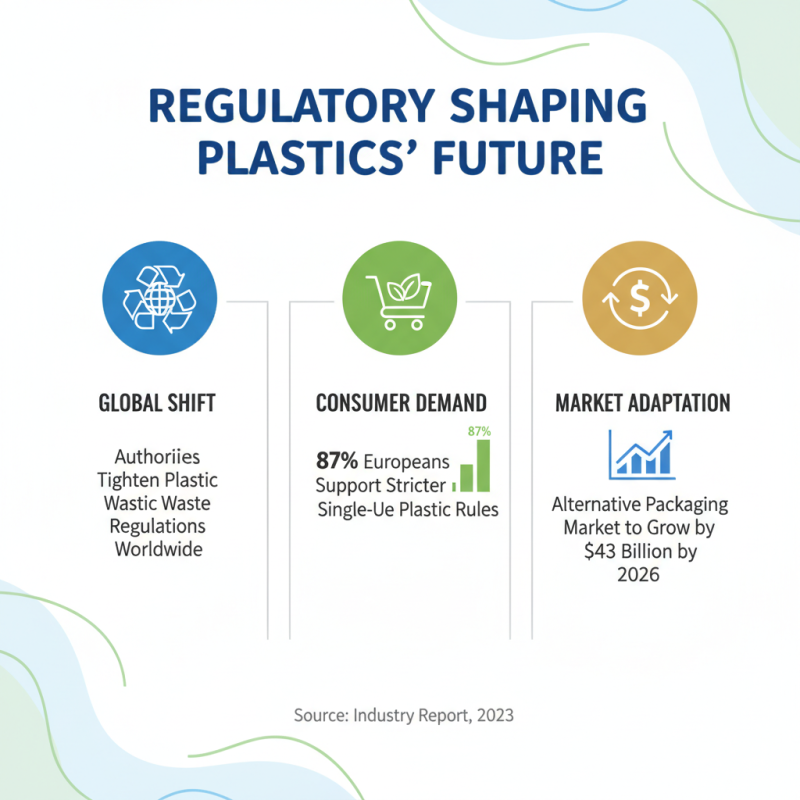
Regulatory changes are shaping the future of the plastic packaging industry. Authorities worldwide are tightening regulations around plastic waste management. In Europe, a report suggests that 87% of consumers support stricter regulations on single-use plastics. This shift in consumer sentiment pushes companies to adapt. The market for alternative packaging solutions is expected to grow significantly, with projections estimating a $43 billion increase by 2026.
Manufacturers need to stay informed. Understanding local regulations is crucial to avoid penalties. For example, in certain jurisdictions, companies may face fines if their products do not comply with new sustainability standards. Companies that proactively implement eco-friendly practices are likely to gain consumer trust, which can enhance market position.
Tips: Invest in sustainable materials. Research shows that 60% of customers prefer brands using biodegradable packaging. Keep an eye on evolving regulations, as they may create both challenges and opportunities. Being adaptable can lead to innovation, which is essential in today's fast-paced market. The path ahead is not without obstacles, but awareness and proactive measures can pave the way for compliance and growth.
Trends in Biodegradable and Compostable Packaging Solutions
The shift towards biodegradable and compostable packaging solutions reflects a growing awareness of environmental issues. In 2026, consumers will increasingly demand packaging that aligns with their eco-conscious values. Biodegradable materials break down over time, reducing waste and pollution. Compostable options, on the other hand, return nutrients to the soil, offering a sustainable alternative to traditional plastics.
These innovations come with challenges. The supply chain for these materials is still developing. Manufacturers must ensure that production processes meet environmental standards. There are concerns about the cost-effectiveness of these materials. Not all biodegradable products perform as expected, leading to consumer skepticism. This leaves room for improvement and innovation in this vital area.
Education plays a crucial role as well. Many consumers lack understanding of how to dispose of biodegradable and compostable packaging correctly. Clear labeling and better public outreach can bridge this gap. As industries evolve, public perception must change too. With time and effort, biodegradable alternatives could become the new standard in plastic packaging bags.