How to Choose the Best Polythene Bags for Your Business Needs?
Choosing the best polythene bags for your business requires careful consideration and expertise. According to industry expert Dr. Emily Smith, "The right polythene bags can enhance branding and practicality." Her insights highlight the importance of selecting bags that meet specific needs while balancing sustainability.
Polythene bags come in various types, thicknesses, and sizes. Each option serves a different purpose, affecting cost and performance. Some businesses may prioritize durability, while others focus on eco-friendliness. The challenge lies in finding the ideal balance to suit your unique requirements.
Many companies overlook the nuances of polythene quality. A poor choice can lead to product damage or customer dissatisfaction. Taking the time to research and reflect on these factors is essential. Ultimately, the right polythene bags can make a significant impact on your business efficiency and customer satisfaction.
Understanding Different Types of Polythene Bags Available in the Market
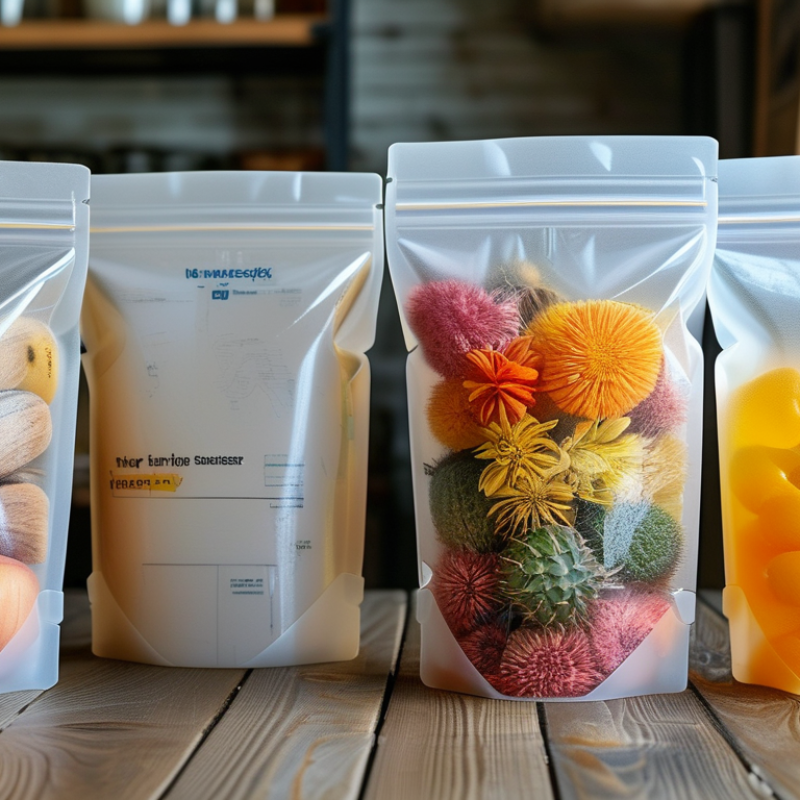
When selecting polythene bags for your business, it's crucial to understand the various types available. Polythene bags are commonly classified by their thickness, strength, and suitability for specific needs. There are low-density polyethylene (LDPE) bags, which are flexible and ideal for packaging fragile items. High-density polyethylene (HDPE) bags, on the other hand, are sturdier and better suited for heavy products.
When choosing bags, consider the intended use. Will they be exposed to moisture? Are they for retail or industrial purposes? These factors will influence your selection.
**Tips:** Always check the thickness of polythene bags. A thicker bag may offer more protection but could be less flexible. Test a few options by loading them with products before making a bulk order.
Reflect on environmental impact too. Some bags can be recycled, while others cannot. This is an important consideration for many consumers today. Think about if your brand aligns with sustainability values.
**Tips:** Ask suppliers about eco-friendly options. Even small changes can enhance your business image. The right choice reflects not only function but also responsibility.
How to Choose the Best Polythene Bags for Your Business Needs?
| Type of Polythene Bag |
Thickness (microns) |
Use Case |
Recyclable |
Cost (per 1000 bags) |
| Low-Density Polyethylene (LDPE) |
50-90 |
Shopping bags, general purpose |
Yes |
$200 |
| High-Density Polyethylene (HDPE) |
40-90 |
Food packaging, heavy-duty bags |
Yes |
$180 |
| Low-Density T-Shirt Bags |
40-50 |
Retail stores, groceries |
Yes |
$220 |
| Clear Poly Bags |
50-100 |
Product packaging, storage |
Yes |
$250 |
| Biodegradable Bags |
50-100 |
Environmentally friendly options |
Yes |
$350 |
Evaluating Your Business Needs for Packaging Solutions
When considering the right polythene bags for your business, it's vital to evaluate your specific packaging needs carefully. According to a recent industry report, over 45% of consumers prioritize eco-friendly packaging options. This statistic underscores the growing importance of sustainability in product packaging decisions. Businesses must align their bag choices with customer preferences for environmental responsibility while maintaining functionality.
Understanding your target market is crucial. Different industries have unique requirements. For example, retail might necessitate durable bags suited for heavy items, while food packaging may require bags with barrier properties. Furthermore, the thickness of the bags plays a significant role; industry standards suggest using at least 50 microns for heavy-duty tasks.
**Tip:** Always test different bag styles and sizes before making large orders. This can help you identify the most suitable options. Another tip involves monitoring customer feedback on your packaging, which can provide insights over time. Utilizing customer insights can be a game changer for refining packaging choices.
Be prepared for trials and errors. Not all bags will meet your expectations. Adjusting your options based on real-world use can lead to improvements in both product presentation and customer satisfaction. Recognizing the need for refinement in your packaging strategy can greatly enhance overall operations and brand image.
Polythene Bags Usage in Different Industries
Factors to Consider When Choosing Polythene Bags
When selecting polythene bags for your business, several factors require careful consideration. Thickness is crucial; it directly impacts durability and load capacity. Thicker bags can hold more weight, making them ideal for heavier products. According to industry reports, bags less than 30 microns are often insufficient for heavy-duty use. Choosing the right thickness ensures your products are protected during transit and storage.
Size and shape are equally important. Consider your products' dimensions to avoid unnecessary waste. A well-fitted bag minimizes movement and reduces potential damage. Custom sizes are available, but they may increase costs. It’s worth weighing the benefits of custom solutions against standard options.
Sustainability increasingly influences purchasing decisions. More companies seek eco-friendly alternatives to traditional polythene bags. Reports indicate that 24% of customers prefer brands using sustainable packaging. You may want to explore biodegradable options, even if they come at a higher price. Balancing cost with environmental responsibility is essential. Reflect on your brand's values and customer expectations when making this choice.
Assessing Environmental Impact of Polythene Bag Options
Polythene bags have garnered attention due to their environmental impact, raising questions about their use in various industries. According to studies, polythene bags contribute significantly to plastic waste. In 2021, the global plastic production was estimated at 368 million tons, with a substantial portion consisting of single-use bags. Many businesses are now evaluating their choices in light of this data.
One critical aspect is the degradation rate of polythene bags. These bags can take up to 1,000 years to decompose in landfills. This long lifespan raises concerns about soil and water contamination, which can harm ecosystems. In contrast, biodegradable alternatives, although often slightly more expensive, can break down within months under specific conditions. The difference in environmental impact highlights the need to assess polythene's role in business strategies.
Moreover, the recycling rates for polythene bags remain low. A report from the EPA indicated that only about 9% of plastics are recycled in the U.S. Poor recycling infrastructure contributes to this inefficiency. Businesses must reflect on how their packaging choices align with sustainable practices. As they weigh their options, understanding the environmental consequences of polythene bags is vital for long-term success and ethical responsibility.
Cost Analysis: Budgeting for Polythene Bags in Your Business
When budgeting for polythene bags, understanding costs is paramount. The price may seem straightforward, but several factors influence it. For instance, bag thickness, size, and custom printing options all significantly alter prices. A thicker bag might offer durability but can raise your costs. Consider your business's specific needs before choosing.
It's also important to evaluate supplier quotes. Different suppliers have varying pricing structures. Some may offer bulk discounts, while others have hidden fees. Take the time to compare costs and read fine print, as these details can impact your budget significantly. Revisiting supplier contracts periodically can help identify potential savings or better pricing.
Lastly, assess the overall value of your investment. It’s not just about the upfront cost. Think about longevity and customer satisfaction. A reliable bag often guarantees fewer returns and complaints. Reflect on past purchases to guide future decisions. Understanding where you can cut costs without sacrificing quality is essential.