China Top Spout Pouch Manufacturers and Their Impact on Packaging Industry?
The spout pouch has revolutionized the packaging industry in China. It combines convenience with functionality, appealing to both consumers and manufacturers. According to a recent report by Smithers Pira, the global spout pouch market is expected to reach $10 billion by 2025. This growth reflects a shift towards sustainable packaging.
Industry expert Dr. John Li emphasizes the importance of spout pouches. He states, "Spout pouches are not just a trend; they are the future of flexible packaging." This highlights the significance of innovation in product design. Leading manufacturers in China are at the forefront, producing high-quality spout pouches that cater to various sectors.
However, challenges remain. As the market expands, companies face pressure to enhance sustainability and reduce waste. The competition is fierce. Many question whether current production methods can keep pace with demand. Thus, while the outlook is bright, the journey ahead requires reflection and adaptation.
Overview of Spout Pouch Manufacturing in China
Spout pouches have transformed the packaging landscape in China. Manufacturers are innovating to meet changing consumer demands. The spout pouch market is projected to grow at a CAGR of over 5% from 2023 to 2028, according to industry reports. This growth reflects a broader trend toward convenience and sustainability in packaging.
Many companies now focus on eco-friendly materials. About 30% of spout pouches are made from recyclable materials. As consumer awareness increases, so does the demand for products with sustainable packaging. However, not all manufacturers meet these sustainability standards. Confusion about what is recyclable can lead to consumer frustration.
Tip: Always check for recycling labels to ensure proper disposal.
Quality control is another crucial aspect. Many manufacturers in China struggle with consistency. Variations in material quality can affect the product's integrity. This inconsistency can challenge brand trust. Reliable suppliers are essential to maintain standards.
Tip: Choose suppliers who offer transparency in their manufacturing processes.
As the spout pouch market evolves, so does the manufacturing landscape. Companies must adapt quickly to stay competitive. Balancing innovation with sustainability remains a priority.
Key Players in China's Spout Pouch Industry
The spout pouch industry in China has seen significant growth, driven by innovations in packaging technology. According to industry reports, the market size for spout pouches is projected to reach approximately USD 2 billion by 2025, with a compound annual growth rate (CAGR) of over 6%. This growth is influenced by increasing demand in sectors like food and beverages.
Key players in China's spout pouch industry are focusing on sustainable materials. Many manufacturers are adopting eco-friendly options to meet consumer demands. Data suggests that around 30% of spout pouches are now made from recyclable materials. This shift reflects a broader industry trend towards sustainability. However, challenges remain. The costs associated with sustainable production can deter smaller companies from making the change.
R&D plays a crucial role in this market. Many manufacturers are investing heavily in developing advanced sealing technologies and barrier films. These innovations enhance product shelf life and consumer convenience. Nevertheless, the rapid pace of change can overwhelm some businesses, making it challenging to keep up with new technologies. Balancing innovation with cost-effectiveness remains a critical issue. The spout pouch sector is navigating these complexities while striving for a more sustainable future.
Innovations in Spout Pouch Design and Functionality
Innovations in spout pouch design have influenced the packaging industry significantly. Spout pouches offer convenience and portability, making them popular for various products. Their unique structure allows for easy pouring and resealing, which is essential for liquid or semi-liquid contents. The design uses less material compared to traditional packaging, promoting sustainability. Many manufacturers focus on creating pouches that are lightweight yet durable, ensuring the product remains secure during transportation.
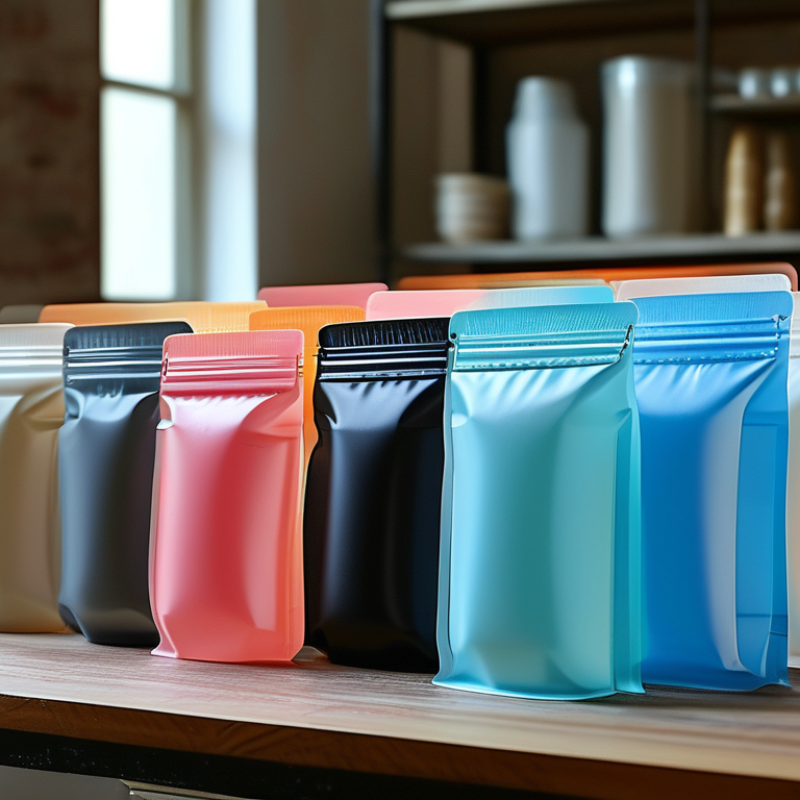
One area for reflection is the balance between functionality and design. While vibrant colors and sleek shapes attract consumers, the functionality must not be compromised. Some pouches leak or are difficult to reseal, undermining their convenience. Innovations in materials, such as biodegradable options, are emerging yet face challenges regarding cost and availability. This points to the necessity for continued research and development in the spout pouch sector to enhance both usability and environmental impact. Achieving this balance requires the collaborative effort of designers, manufacturers, and researchers in the packaging industry.
Environmental Impact of Spout Pouch Packaging
The rise of spout pouches in packaging has transformed various industries, especially food and beverage. These pouches are lightweight, flexible, and convenient.
However, their environmental impact cannot be overlooked. While many manufacturers are shifting towards recyclable materials, the overall lifecycle of spout pouches still raises concerns. They may not decompose easily, contributing to landfill issues.
Another critical aspect is the production process itself. Many spout pouches are made from a mix of materials, which complicates recycling efforts. It’s vital for manufacturers to innovate and find more sustainable solutions. Education on proper disposal methods is also crucial. Consumers often lack information about how to recycle these pouches correctly.
Despite the convenience they offer, spout pouches present a paradox. They fulfill modern needs but come with potential environmental costs. A balance must be struck between convenience and sustainability. Future developments in material science may pave the way for more eco-friendly options. The industry's impact on the environment highlights the need for responsibility and continuous improvement.
Future Trends and Challenges in the Packaging Sector
The packaging sector faces various future trends and challenges. Sustainability remains a significant focus. Consumers demand eco-friendly materials and innovative methods. Companies strive to meet these expectations through biodegradable options. There’s a growing pressure for reduced plastic use. Yet, many firms struggle with the transition to greener alternatives. Balancing cost and sustainability is no easy feat.
Technology also plays a pivotal role in shaping the future. Automation and smart packaging are on the rise. These advancements can improve efficiency and reduce waste. However, not all manufacturers possess the expertise to implement these technologies. Smaller businesses may find it hard to compete. This creates a divide in the industry, where only the largest firms can adapt quickly.
Moreover, the economic landscape presents challenges. Fluctuating raw material prices impact packaging production costs. Supply chain disruptions have become more common. Companies must navigate these uncertainties while trying to innovate. The path forward is complex, filled with both opportunities and hurdles.
Impact of Top Spout Pouch Manufacturers on the Packaging Industry
This chart illustrates the impact levels of various factors influenced by the top spout pouch manufacturers on the packaging industry. Factors such as sustainable materials and design innovation show high impact levels, reflecting the evolving trends and challenges that the packaging sector faces.