What is Printed Films and How Do They Impact Modern Packaging?
Printed films play a significant role in modern packaging. These specialized films provide a versatile solution for various industries. According to a recent report by Smithers Pira, the global market for printed films is expected to reach $300 billion by 2026. This growth highlights their importance as consumers demand more innovative and sustainable packaging solutions.
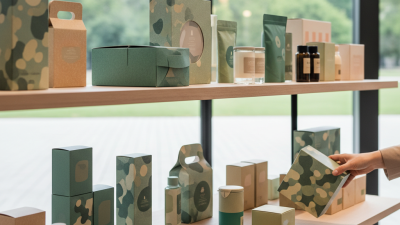
The advantages of printed films include their ability to enhance brand visibility. With vibrant colors and high-quality graphics, they attract consumers’ attention on store shelves. Moreover, printed films are often lightweight and flexible, contributing to reduced shipping costs. However, challenges remain in ensuring these materials are environmentally friendly. While many brands are shifting towards recyclable options, the transition is not yet complete.
In conclusion, the impact of printed films on packaging is profound. Their popularity reflects ongoing trends in consumer preferences and sustainability. Industry leaders must continue to innovate while addressing the environmental concerns associated with these materials.
Definition of Printed Films in Packaging Technology
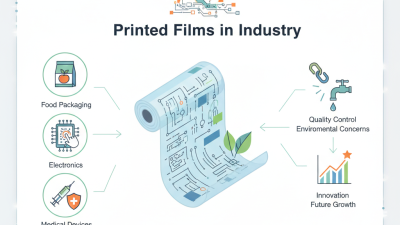
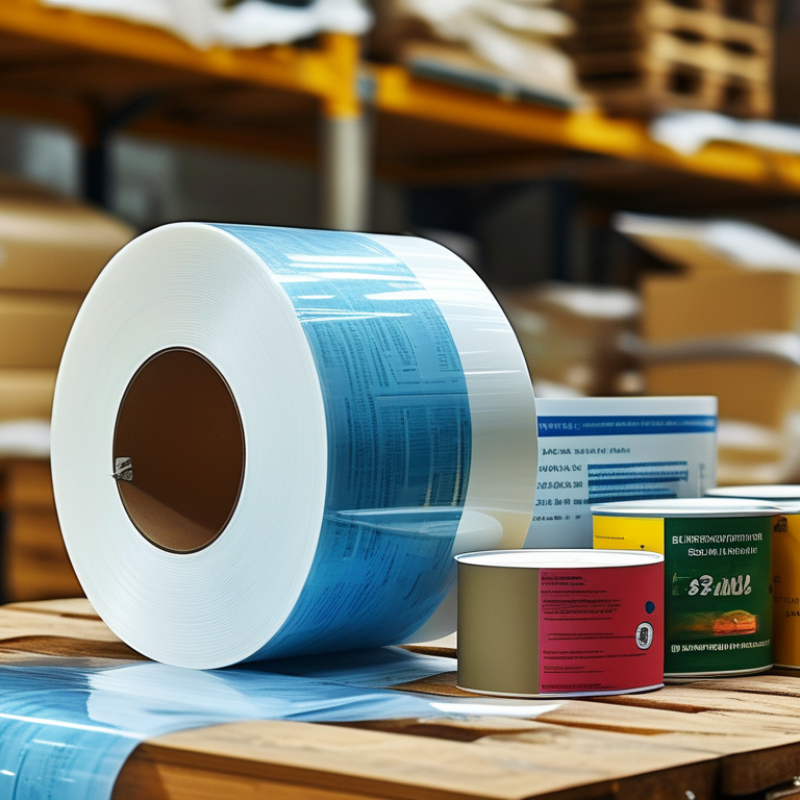
Printed films are crucial in modern packaging technology. They serve as a key component, enhancing visual appeal and functionality. These films are typically composed of polymer materials that have been printed with graphics, text, and colors. According to the Smithers Pira report, the global printed film market is projected to reach approximately $24 billion by 2025. This highlights their growing significance in the packaging industry.
The use of printed films improves product visibility on shelves. They can communicate brand messages effectively. Studies indicate that packaging influences purchasing decisions by up to 70%. Consumers are drawn to vibrant, well-designed wrappers. Additionally, printed films can offer protective qualities like moisture and UV resistance. However, the environmental impact of these materials raises questions. The need for sustainable options is pressing in the industry.
While printed films enhance aesthetics and functionality, focusing solely on design may lead to neglecting sustainability. The rise of biodegradable films demonstrates a shift, but many manufacturers remain hesitant. Companies must balance between appealing designs and ecological responsibility. The future of printed films lies in innovation, combining excellent packaging with an environmental conscience.
Application Areas of Printed Films in Modern Packaging
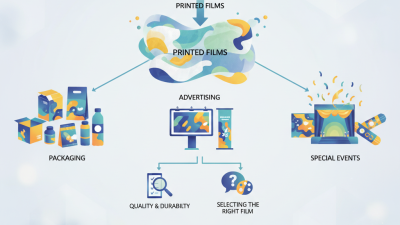
Printed films are transforming modern packaging across various industries. They play a crucial role in enhancing product appeal while also providing essential protective features. According to recent industry reports, the global market for printed films in packaging reached approximately $30 billion in 2022, with an expected growth rate of 5% annually through 2026. This trend reflects an increasing demand for packaging solutions that combine aesthetics and functionality.
In the food sector, printed films are vital for maintaining freshness and extending shelf life. They offer barrier properties that prevent moisture and oxygen from degrading food quality. In personal care, these films provide attractive branding opportunities while safeguarding products. Reports indicate that 70% of consumers consider packaging design when making purchasing decisions, emphasizing the importance of printed films in product marketing strategies.
Despite the advances, challenges remain. The environmental impact of single-use plastics continues to prompt scrutiny. Many industries are seeking sustainable alternatives, which could reshape how printed films are produced and disposed of. The drive towards biodegradable materials is gaining momentum, but the balance between durability and sustainability remains a complex issue. As technologies evolve, it's crucial for stakeholders to address these concerns while delivering effective printed film solutions.
Benefits of Using Printed Films in Packaging Solutions
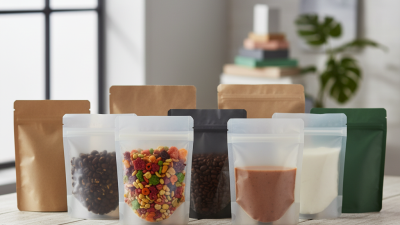
Printed films are transformative in modern packaging. They offer unique features and benefits that enhance product visibility and protection. One major advantage is their ability to display vibrant graphics. This visual appeal captures consumer attention quickly. As a result, products stand out on crowded shelves. Engaging designs can communicate brand stories effectively.
Additionally, printed films provide excellent barriers against moisture, oxygen, and light. This preservation keeps products fresh for longer, which is crucial for food packaging. The materials allow for extended shelf life without compromising quality. Cost-effectiveness is also notable. Businesses can streamline packaging processes while reducing waste.
However, the journey isn't without challenges. Sustainability concerns linger as consumers demand eco-friendly options. Balancing functionality with environmental impact requires ongoing innovation. As the industry evolves, the reliance on printed films must align with greener practices. This reflection on current usage will shape future solutions for packaging.
What is Printed Films and How Do They Impact Modern Packaging? - Benefits of Using Printed Films in Packaging Solutions
| Aspect |
Description |
| Material Used |
Polyethylene, Polypropylene, Polyester |
| Applications |
Food packaging, Cosmetics, Pharmaceuticals |
| Benefits |
Enhanced shelf appeal, Branding flexibility, Improved product protection |
| Printing Techniques |
Flexography, Digital printing, Gravure |
| Environmental Impact |
Recyclability, Reduced waste, Use of biodegradable materials |
| Market Trends |
Sustainable packaging solutions, Increased demand for customization |
| Regulations |
Compliance with food safety standards, Packaging waste regulations |
Challenges and Innovations in Printed Films for Packaging
In the realm of modern packaging, printed films face both challenges and innovations that shape their effectiveness and sustainability. One significant challenge is the environmental impact of traditional plastic films. Many manufacturers grapple with the need for more sustainable alternatives that meet consumer demands. Biodegradable and compostable films are emerging solutions, but their performance and cost remain concerns.
Innovations in printing technology are also crucial. Advances in digital printing allow for personalization and shorter production runs, catering to diverse consumer preferences. However, there’re still hurdles, such as ensuring print quality and durability. It’s vital for producers to strike a balance between aesthetic appeal and functional performance.
Tips:
- Consider using eco-friendly inks to reduce environmental effects while maintaining quality.
- Test different substrates to find the best fit for your product's requirements.
- Engage with suppliers for insights into the latest materials and technologies.
- Always question if the current methods meet evolving consumer needs and environmental standards.
Future Trends of Printed Films in the Packaging Industry
The packaging industry is undergoing significant changes due to advancements in printed films. As consumer preferences evolve, there is an increasing demand for sustainable and innovative packaging solutions. A recent report from Smithers indicates that the global market for printed films is expected to reach $46 billion by 2027, driven by factors like customization and eco-friendliness.
Future trends suggest a shift towards bio-based materials. Many manufacturers are exploring biodegradable films to reduce environmental impact. Research from the Flexible Packaging Association shows that 50% of consumers prefer brands that use sustainable packaging. This preference influences manufacturers to innovate continuously. However, transitioning to greener options poses challenges. The costs and availability of these materials can be prohibitive.
Moreover, the rise of
digital printing technology is reshaping the landscape of packaging. Digital printing allows for short runs and rapid prototyping, which can lead to creative solutions. Still, the technology is not universally accessible. Companies must invest in equipment and training. As the balance of
quality and cost continues to evolve, companies face continuous hurdles in adopting these changes. The future of printed films hinges on both addressing these challenges and meeting consumer desires for
sustainable packaging.