Leave Your Message
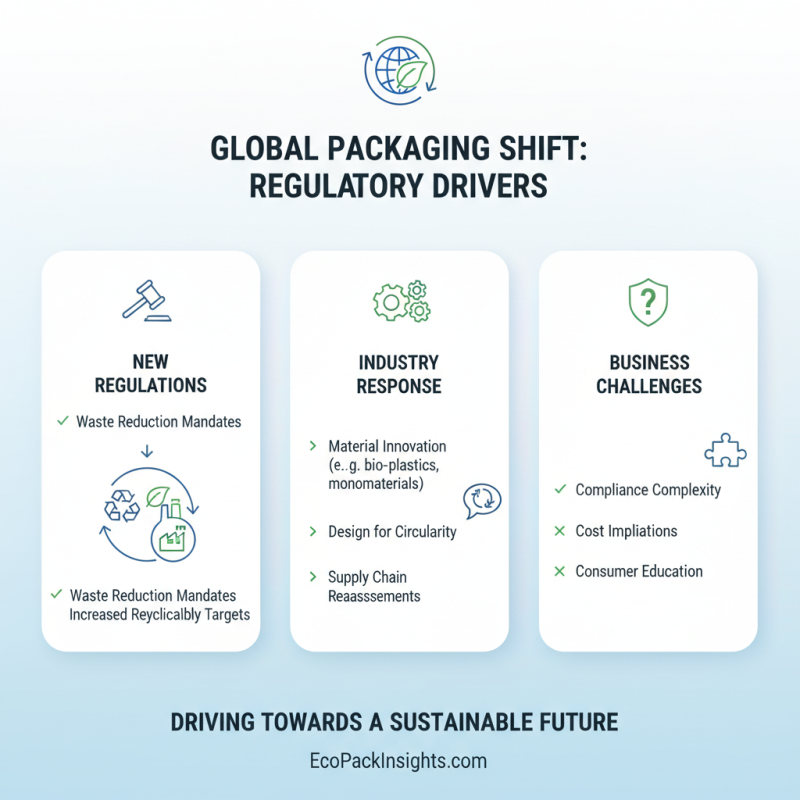
The future of the Packaging Market is set to evolve significantly in the coming years. With sustainability at the forefront, expert Jane Smith states, "Innovation in packaging must meet the demands of an eco-conscious consumer." This reflects a growing trend where brands prioritize environmentally friendly solutions.
Technological advancements are reshaping how we design packaging. Automation and smart packaging are becoming mainstream. This shift not only enhances efficiency but also improves consumer engagement. Packaging Market players must adapt to these trends to remain competitive.
However, challenges persist. The balance between cost and sustainability can often lead to tough decisions. Brands must navigate these complexities while striving for innovation. The journey is not solely about meeting regulations but fostering a genuine commitment to change. The Packaging Market has the potential to transform, but reflection on these evolving dynamics is crucial for success.

Sustainable packaging is rapidly transforming the industry. Eco-friendly materials such as biodegradable plastics and recycled paper are gaining traction. A recent report indicates that sustainable packaging could capture 40% of the market by 2025. Companies are innovating to meet consumer demand for greener options. This shift is not just about aesthetics; it's a necessary response to environmental concerns.
Innovations are emerging in raw materials. For example, plant-based plastics are now being developed. They are viable alternatives to traditional petroleum-based products. Yet, not all solutions are perfect. Many biodegradable options still require specific conditions to decompose effectively. This creates a gap in the composting infrastructure, leading to potential waste dumping.
The challenge extends beyond materials. Finding sustainable methods for production and transportation is crucial. Energy consumption remains an issue. Companies must balance eco-friendliness with efficient logistics. The journey toward sustainability is complex and requires continuous effort. Thus, collaboration across the supply chain is vital. Eco-friendly packaging must evolve to be more than just a trend; it should become the industry standard. The future of packaging hinges on innovation and accountability.
| Trend | Description | Impact on Industry | Material Innovation | Consumer Preference |
|---|---|---|---|---|
| Biodegradable Packaging | Focus on materials that can decompose naturally. | Reduction of landfill waste. | Use of plant-based polymers. | Increasing demand for eco-certifications. |
| Recyclable Materials | Increased emphasis on materials that can be recycled efficiently. | Promotes circular economy initiatives. | Recycled paper, aluminum, and glass options. | Preference for easily disposable packaging. |
| Minimalist Design | Simplified packaging aiming for less material usage. | Cost-effective and environmentally friendly. | Focus on functional designs without excess. | Desire for straightforward and transparent branding. |
| Smart Packaging | Integration of technology for tracking and freshness. | Enhances supply chain efficiency. | Use of QR codes and sensors. | Interest in tech-enabled experiences. |
| Reusable Packaging | Adoption of containers designed for multiple uses. | Reduction of single-use plastics. | Sturdy materials for durability. | Growing consumer support for sustainability. |
| Plant-Based Plastics | Using renewable resources to create sustainable plastics. | Reduction in carbon footprint. | PLA (polylactic acid) derived from cornstarch. | Preferences shifting towards non-fossil fuels. |
| Edible Packaging | Innovations allowing packaging to be consumable. | Significantly reduces waste. | Use of seaweed and other natural materials. | Excitement for novel food products. |
| Sustainable Sourcing | Using materials sourced in environmentally responsible ways. | Supports ethical business practices. | Fiber from sustainably managed forests. | Increased awareness of ethical issues. |
| Compostable Packing | Materials that can be composted along with food waste. | Helps reduce food waste and pollution. | Utilizes organic materials like starch and cellulose. | Preference for waste diversion from landfills. |
| Water-Soluble Packaging | Packaging that dissolves in water, offering zero waste. | Addresses the plastic pollution crisis. | Developed from polyvinyl alcohol (PVA). | Growing consumer interest in innovative solutions. |