Top 5 Tips for Choosing Plastic Wrapper Packaging for Your Business?
Choosing the right packaging is crucial for any business. "Plastic Wrapper Packaging" offers versatility and protection. However, it can be complex to navigate the various options available. As Mark Johnson, a leading expert in packaging solutions, states, "Selecting the right plastic wrapper can define your brand’s success."
Your choice impacts product safety and customer experience. High-quality plastic wrapper packaging ensures durability, but finding the perfect fit requires careful consideration. With many materials and designs, businesses can feel overwhelmed. It's essential to evaluate your specific needs rather than follow trends blindly.
Many companies underestimate the importance of sustainable packaging. As eco-conscious trends rise, companies must reflect on their choices. Failing to do so may alienate potential customers. Remember, the right plastic wrapper packaging not only protects your products but also shapes your brand's identity.
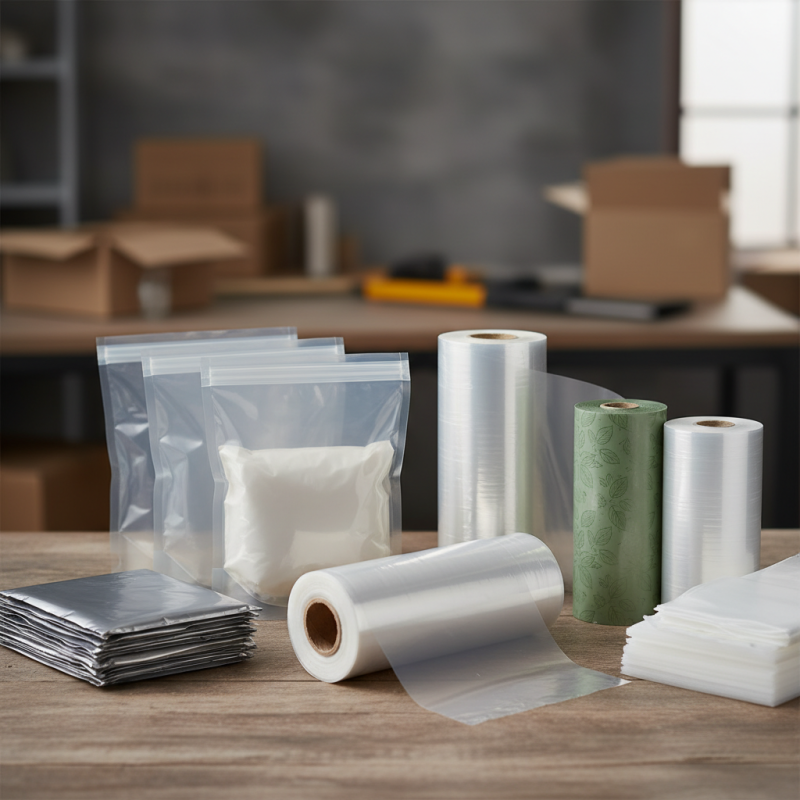
Understanding Different Types of Plastic Wrapper Materials Available
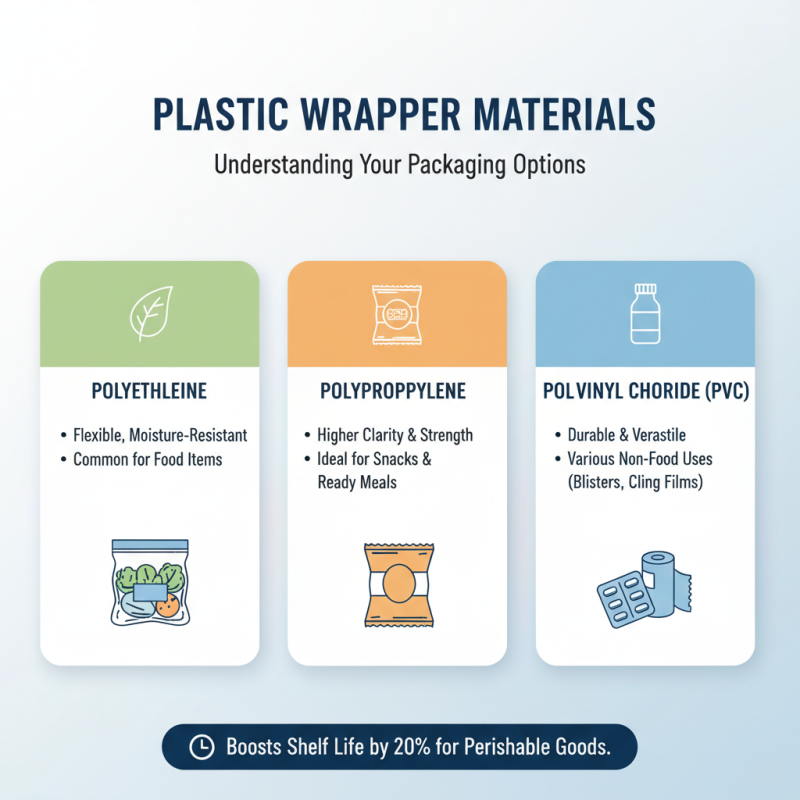
When choosing plastic wrapper packaging, understanding the different types of materials available is crucial. Polyethylene, polypropylene, and polyvinyl chloride are three common types. Each offers distinct benefits. Polyethylene is flexible and resistant to moisture. It’s widely used for food items. Polypropylene has a higher clarity and strength, making it suitable for snacks and ready-to-eat meals. Recent reports indicate these materials contribute to a 20% increase in shelf life for perishable goods.
Tip: Evaluate your product needs carefully. Consider how the wrapper’s properties impact freshness and customer appeal. Many businesses overlook this detail. They often choose convenience over functionality.
Polyvinyl chloride is another option, known for its durability. It’s frequently used for non-food items. However, it poses environmental concerns. Research shows a growing demand for sustainable alternatives. In 2023, 30% of consumers preferred eco-friendly packaging. Therefore, businesses should explore biodegradable options.
Tip: Prioritize sustainability in your selection process. It reflects your brand’s values. Consumers increasingly support companies with eco-conscious practices. Making the wrong choice can affect market reach. Be mindful of these aspects when finalizing your packaging materials.
Evaluating Cost vs. Quality for Packaging Solutions
When choosing plastic wrapper packaging, understanding the balance between cost and quality is essential. Quality packaging protects products while enhancing customer perception. However, opting for the cheapest option may lead to subpar results. Low-quality wrappers may break easily, damaging your goods. This can result in increased expenses due to returns and dissatisfied customers.
Evaluate your materials carefully. Look for wrappers that offer durability and flexibility. Testing various options can reveal surprising results. Sometimes, a slightly higher price translates to greater reliability and performance. Remember, customers value quality, and their satisfaction is paramount for business success.
Consider your production volume. Larger quantities may lower costs per unit, making quality more accessible. However, be cautious. Excessive inventory of low-quality wrappers can strain resources. It’s a delicate balance. Keep experimenting with different suppliers and materials to find the best fit. Investing time here pays off.
Assessing Environmental Impact of Plastic Wrap Options
When selecting plastic wrap for your business, the environmental impact should be a core consideration. Numerous options exist, each with varying ecological footprints. Traditional plastic wraps may be convenient but often contribute to plastic pollution. Biodegradable and compostable alternatives are emerging, presenting a more sustainable choice for conscientious businesses.
However, these eco-friendly options often come with trade-offs. They can be more expensive and may not perform as well in certain conditions. Consider your specific needs before making a decision. This balance between functionality and sustainability can be challenging. Many businesses find themselves weighing short-term cost against long-term environmental benefits.
Researching suppliers is crucial. Look for those committed to sustainability practices. Verify their claims about the environmental impact of their products. Transparency is key. Understanding the life cycle of the products is also essential. It helps determine their overall footprint. Evaluating the end-of-life options for packaging can make a significant difference.
Impact of Different Plastic Wrap Options on the Environment
Ensuring Compliance with Industry Regulations and Standards
When choosing plastic wrapper packaging, compliance with industry regulations is crucial. Many businesses overlook this aspect. Regulatory requirements vary by industry and region. Understanding them is not optional; it’s essential.
Check local guidelines regarding materials and usage. Different plastics have specific safety standards. For example, food packaging must meet strict health regulations. Consult with a compliance expert if needed. They can help navigate the complexities of these regulations.
Moreover, consider certifications. Look for trustworthy labels that indicate compliance. This can enhance your credibility. Potential clients often seek proof of safety standards. Make sure the packaging supplier shares this information transparently. Transparency fosters trust and reassures consumers about your products.
Top 5 Tips for Choosing Plastic Wrapper Packaging for Your Business
| Tip Number |
Tip Description |
Key Considerations |
| 1 |
Understand Compliance Requirements |
Research relevant regulations like FDA, EPA, and ISO standards. |
| 2 |
Choose the Right Material |
Consider durability, recyclability, and safety of the plastic used. |
| 3 |
Assess Product Protection Needs |
Evaluate the extent of protection required from moisture and light. |
| 4 |
Consider Branding Opportunities |
Think about colors, prints, and textures that represent your brand. |
| 5 |
Evaluate Cost-Effectiveness |
Balance quality with budget constraints to maximize ROI. |