What is a Stand Up Pouch and its Benefits for Global Buyers?
Stand Up Pouches have become a popular choice among global buyers in recent years. According to a report by Grand View Research, the global stand-up pouch market is expected to reach $12.3 billion by 2025. This significant growth highlights the increasing preference for flexible packaging solutions that provide convenience and functionality.
Industry expert Dr. Sarah Thompson, who specializes in packaging innovation, stated, "Stand Up Pouches not only enhance product visibility but also reduce waste." This dual benefit is particularly appealing to brands looking to meet sustainability goals while improving shelf appeal. With features like resealability and lightweight design, Stand Up Pouches cater to consumers who prioritize ease of use.
Despite their advantages, some brands hesitate to adopt this format due to concerns about durability and material performance. It’s essential for companies to weigh these factors carefully. In a rapidly evolving market, the right choice in packaging can significantly influence product success and brand recognition. Thus, understanding the unique benefits of Stand Up Pouches can lead to informed decisions that resonate with modern consumers.
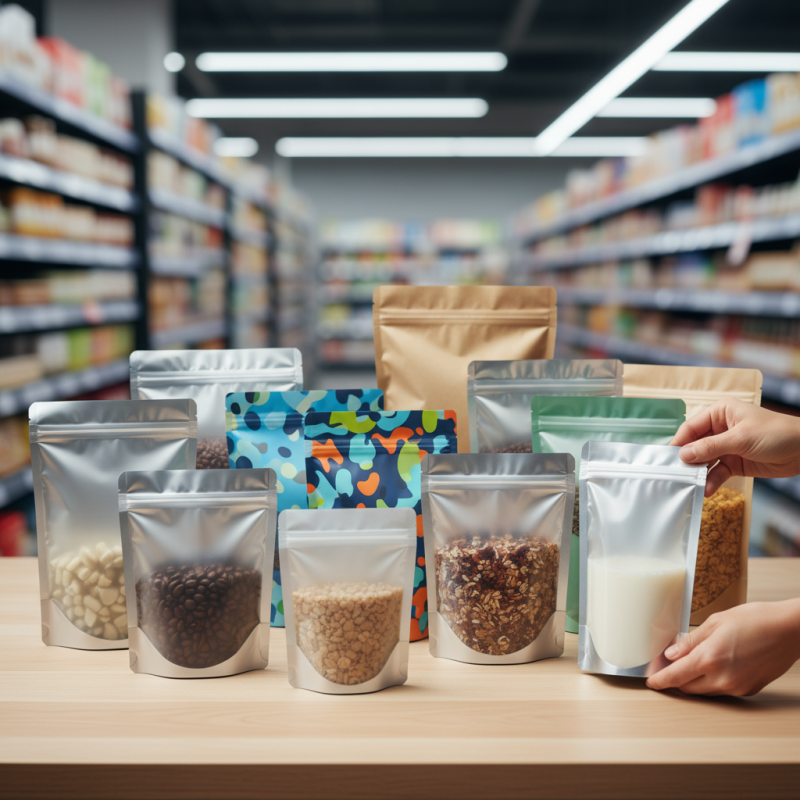
What is a Stand Up Pouch?
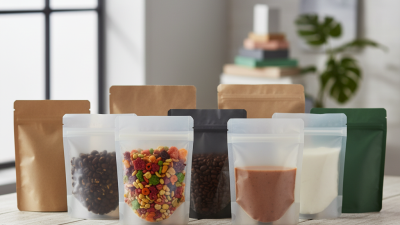
Stand up pouches have gained popularity in packaging due to their unique design and versatility. They are flexible bags that can stand upright on shelves. This feature makes them eye-catching. Buyers are drawn to their modern look, which can enhance product visibility. Made from various materials, these pouches provide excellent barrier properties. This means they protect contents from moisture and light, extending shelf life.
Tips: Consider the closure type. Zipper or heat seal options can enhance convenience. Additionally, think about size and shape. Customization can make your product stand out in a crowded market.
The benefits of stand up pouches are evident. They are lightweight, reducing shipping costs. The production process is often more sustainable than rigid packaging. However, not all products are suitable for these pouches. Some items may require harder containers for protection. Testing is essential to ensure compatibility with your product.
Tips: Always consider consumer experience. A pouch that is difficult to open can lead to frustration. Sustainability is a driving factor in packaging choices today. Choose eco-friendly materials when possible to appeal to environmentally conscious buyers.
Key Features and Design Elements of Stand Up Pouches
Stand up pouches are innovative packaging solutions. They are flexible bags that can stand upright on shelves. This design enhances visibility and appeal for consumers. Notably, these pouches come with a resealable closure feature, making them convenient for daily use. This promotes freshness and reduces waste, appealing to eco-conscious buyers.
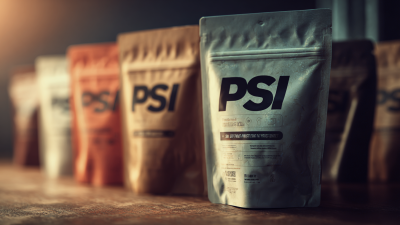
A major advantage of stand up pouches is their lightweight nature. This reduces shipping costs, benefiting global buyers seeking efficiency. The material can be customized for various products, ranging from snacks to liquids. They often showcase vibrant graphics, ensuring products attract attention. However, buyers must consider the environmental impact of materials used. Some pouches may not be easily recyclable or biodegradable.
In addition to aesthetic features, durability is key. Stand up pouches protect contents from moisture and oxygen. This extends shelf life and maintains product quality. While the design is effective, manufacturers must regularly assess their materials and methods. This reflection allows for improvements and ensures consumer trust in their products.
Advantages of Stand Up Pouches for Product Packaging
Stand up pouches have rapidly become popular in the packaging industry. They offer numerous advantages for product packaging. One key benefit is their ability to stand upright on shelves. This feature enhances visibility and attracts consumer attention. Buyers can easily spot products in retail spaces, which can lead to increased sales.
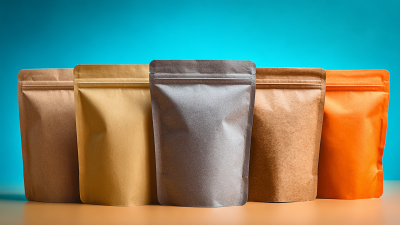
Another advantage is the flexibility of stand up pouches. They come in various sizes and materials, allowing for customization. This versatility helps brands target specific markets. Furthermore, these pouches often include resealable options. This keeps products fresh and encourages multiple uses, enhancing customer satisfaction.
Despite their benefits, some challenges remain. For instance, not all products are suitable for stand up pouches. Thick or heavy items may not fit well. Additionally, designing eye-catching graphics requires thoughtful consideration of the pouch shape. Global buyers should weigh these factors carefully. Each decision impacts efficiency and brand perception.
What is a Stand Up Pouch and its Benefits for Global Buyers?
| Feature |
Description |
Benefits for Buyers |
| Material Variety |
Stand up pouches can be made from different materials such as plastic, foil, or compostable materials, offering flexibility based on product requirements. |
Allows buyers to choose materials that align with their branding and sustainability goals. |
| Space Efficiency |
The pouches can stand upright on shelves, maximizing visibility and shelf space. |
Improves retail presence and enhances customer attraction. |
| Lightweight Design |
Stand up pouches are generally lighter than traditional packaging like bottles or jars. |
Reduces shipping costs and environmental impact due to lower weight. |
| Re-closable Options |
Many stand up pouches come with zip-lock features for resealability. |
Increases product usability and reduces waste. |
| Customizable Print |
Pouches can be printed with high-quality graphics and branding. |
Enhances brand recognition and consumer appeal. |
Environmental Impact of Stand Up Pouches Compared to Other Packaging
Stand Up Pouches (SUPs) are increasingly popular in packaging due to their unique design and versatility. From an environmental perspective, their impact significantly differs from traditional packaging methods. For instance, a study from the Flexible Packaging Association indicates that SUPs use up to 50% less material by weight compared to rigid packaging. This leads to lower carbon emissions during production and transportation.
Another critical advantage is their efficient use of space. SUPs can be flattened when empty, reducing transport volume by 25-30%. This decrease in logistics waste can lead to a notable reduction in fuel consumption. However, while they are more efficient, the recycling rates for SUPs still pose challenges. According to the American Chemistry Council, only about 9% of flexible plastics are recycled. This raises concerns about their long-term environmental sustainability.
Many global buyers face the quandary of balancing short-term convenience with long-term ecological impact. The allure of SUPs might overshadow the necessity for improved recycling systems. Industry leaders recognize this challenge and advocate for better materials and practices. Collectively, stakeholders must address these sustainability challenges to enhance the overall eco-friendliness of Stand Up Pouches.
Environmental Impact of Stand Up Pouches Compared to Traditional Packaging
Market Trends and Innovations in Stand Up Pouch Usage
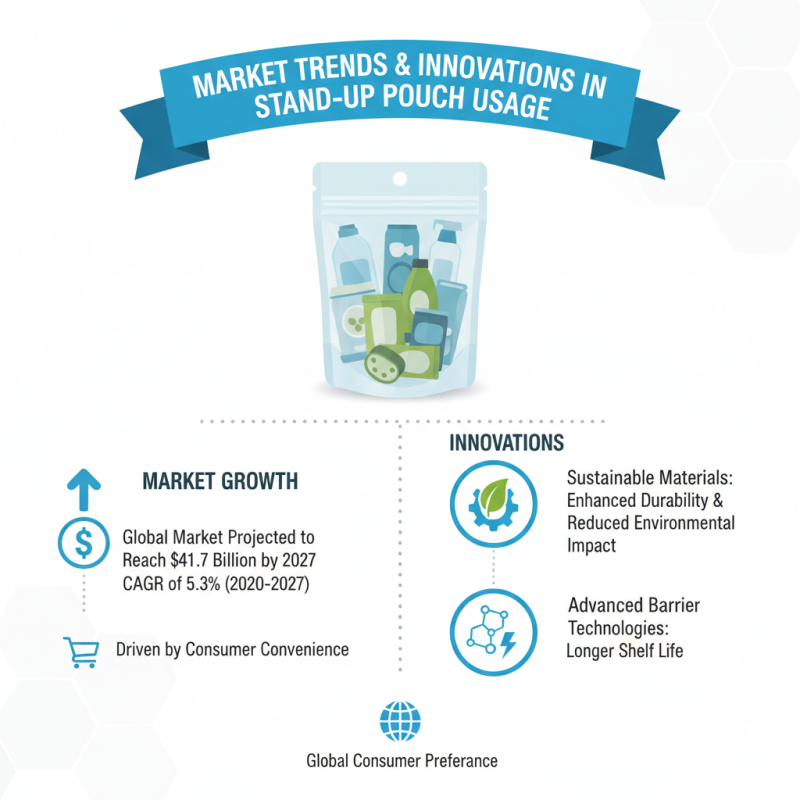
The market trends for stand-up pouches are rapidly evolving. Global consumers increasingly prefer flexible packaging due to its convenience. Research shows that the stand-up pouch market is projected to reach $41.7 billion by 2027, growing at a CAGR of 5.3%. This growth is driven by innovations in materials that enhance durability and reduce environmental impact.
Sustainability is a key trend. Buyers seek recyclable and biodegradable options. Brands utilizing eco-friendly materials see improved customer loyalty. However, not all companies are adapting quickly enough. Some continue using traditional plastic, risking backlash from environmentally conscious consumers. The challenge lies in balancing cost and sustainable practices.
Tips: Consider customer feedback when sourcing stand-up pouches. Understand the local market’s sustainability demands. Always research suppliers to ensure they meet environmental standards. Remember, innovation is crucial, but it must align with consumer values.