What is Printed Films and How Are They Used in Industry?
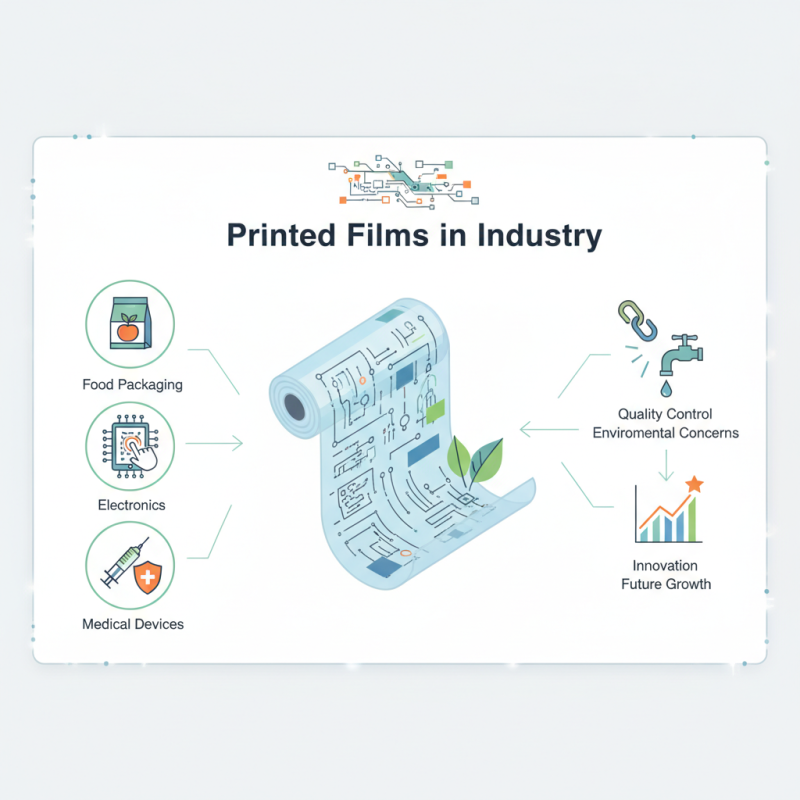
Printed Films are revolutionizing various industries with their versatility and functionality. As John Smith, a leading expert in the field, notes, “Printed Films can transform how products are packaged and presented.” These films are available in various materials, offering unique properties that suit specific applications. They play a crucial role in sectors such as food packaging, electronics, and even medical devices.
In food packaging, Printed Films provide durability and moisture resistance. Their vibrant designs also attract consumers. In electronics, these films contribute to the functionality of touchscreens and displays. They are essential for protecting sensitive components. Moreover, the medical industry utilizes Printed Films for sterility and safety, ensuring that products remain uncontaminated.
Despite their many advantages, challenges exist within the Printed Films industry. Quality control can sometimes falter, leading to inconsistent results. Environmental concerns regarding their disposal are also growing. It is essential to address these issues to fully unlock the potential of Printed Films. As industries advance, the demand for innovative solutions continues to grow, making the future of Printed Films an exciting space to watch.
What Are Printed Films?
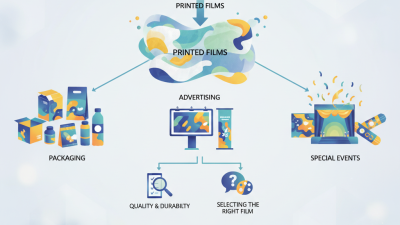
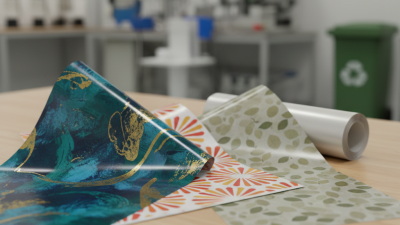
Printed films are a versatile material widely used in various industries. These films are typically made from polymer substrates, coated with specially designed inks. The printing process allows for vibrant colors and intricate designs. This makes printed films suitable for many applications, such as packaging, labels, and promotional materials.
In the packaging industry, printed films offer functional properties. They can protect products from moisture and UV light. Companies often rely on them to enhance brand visibility on shelves. Printed films must also meet specific industry standards to ensure product safety and compliance. Sometimes, the printing process can produce inconsistent results, leading to variations in color and quality. It requires constant monitoring and adjustment.
Another area where printed films shine is in electronics. They are used in flexible displays and touch screens. The thin, lightweight nature of printed films allows for innovation in design. However, the sustainability of materials used in printing raises concerns. As industries evolve, there is a growing need for eco-friendly alternatives. This challenge encourages continuous improvement and reflection on methods.
What is Printed Films and How Are They Used in Industry? - What Are Printed Films?
| Dimension |
Description |
| Material |
Polyethylene, polypropylene, polyester, etc. |
| Printing Method |
Flexographic, rotogravure, digital printing, etc. |
| Common Uses |
Packaging, labels, posters, protective films, etc. |
| Benefits |
Durability, flexibility, customization, and aesthetic appeal. |
| Environmental Impact |
Recyclability varies, solutions for biodegradable options are being explored. |
Types of Printed Films Used in Industry
Printed films are crucial in various industries. They come in different types, each designed for specific applications. One common type is flexible packaging films. These films offer lightweight and durable solutions for food packaging. They protect products from moisture and light, extending shelf life significantly.
Another important category is printed barrier films. These films prevent the passage of gases and vapors. They are often used in pharmaceuticals to protect sensitive medications from degradation. Their effectiveness depends on the materials used. Environmental factors can impact performance, making quality control essential.
Labels and tags also utilize printed films. These provide essential information about products. They are often designed to withstand various environmental conditions. However, choosing the right adhesive and substrate is critical. Errors in these choices can lead to product misidentification or damage. Overall, the versatility of printed films is remarkable, yet challenges remain in achieving optimal performance across different applications.
Usage of Printed Films in Various Industries
Manufacturing Processes for Printed Films
Printed films are essential in various industries, offering unique benefits. The manufacturing processes used to create these films vary widely. Key methods include flexography, gravure, and digital printing. Each method serves different needs based on the application.
Flexography is widely utilized for its speed and efficiency. This process uses flexible relief plates and is ideal for high-volume printing. It's commonly applied in packaging, labels, and newspapers.
Gravure offers rich color and detail, making it suitable for high-quality prints. However, the initial setup costs can be high, which may deter some small businesses.
Digital printing represents a modern approach, allowing for customization without lengthy preparation times. This method provides flexibility, making it excellent for short runs. However, the technology can be expensive, and results may vary based on equipment quality. As the industry evolves, finding the right balance between quality, cost, and efficiency is vital for manufacturers. The choice of manufacturing process often reflects the specific needs and limitations of the operation.
Applications of Printed Films Across Various Sectors
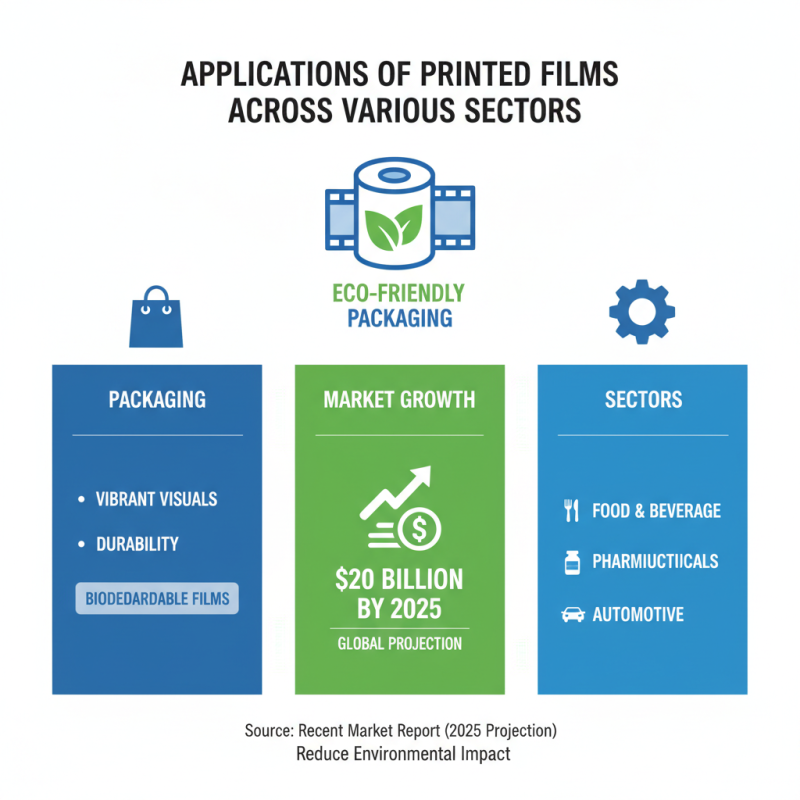
Printed films are becoming increasingly important across various sectors. In packaging, they provide vibrant visuals and durability. According to a recent market report, the global printed film market is projected to reach $20 billion by 2025. This growth reflects the rising demand for eco-friendly packaging solutions. Many companies are now shifting towards biodegradable printed films to reduce environmental impact.
In the automotive industry, printed films play a crucial role in enhancing vehicle aesthetics. These films are often used for decorative purposes, such as trim and accents. They offer protection against scratches and other potential damage. Data from the Automotive Research Association indicates a 15% rise in the adoption of printed films, supporting both design innovation and durability.
Tip: When choosing printed films, consider their application environment. For outdoor use, opt for UV-resistant options.
In electronics, printed films are used in displays and sensors. They enhance product performance while maintaining a sleek design. However, challenges remain in ensuring consistency in quality. The need for standardized testing in printed films is becoming evident. This ensures both manufacturers and consumers receive the best products.
Tip: Always conduct thorough quality checks on printed films before large-scale implementation.
Advantages and Challenges of Using Printed Films in Industries
Printed films are becoming increasingly popular in various industries, from packaging to electronics. They provide a lightweight, flexible, and versatile solution for manufacturers. The advantages of using printed films are numerous. They can enhance product visibility and branding through vibrant graphics. Moreover, printed films often offer excellent barrier properties, maintaining product integrity. This is essential for food preservation and electronic component protection.
However, challenges exist. One major concern is the environmental impact. Many printed films are not biodegradable or recyclable. This raises questions about sustainability in production processes. Additionally, the printing quality can vary, leading to inconsistencies in the final product. This inconsistency can hinder manufacturability, requiring more quality control measures. Companies must invest in better technology to overcome these issues.
Cost is another factor. While some printed films may be cost-effective, others demand a higher initial investment. This can be a barrier for smaller businesses looking to adopt this technology. As industries adapt, balancing efficiency, quality, and sustainability becomes crucial for long-term success in using printed films.