What is a Plastic Bag and Why Should You Care?
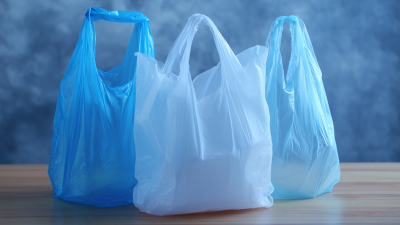
Plastic bags are ubiquitous in our daily lives, yet their impact is significant and often overlooked. These lightweight carriers have become a staple in shopping environments worldwide. However, their convenience comes with hidden costs to our environment. Plastic bags contribute to pollution, wildlife harm, and long-term ecological changes.
When we use plastic bags, we often underestimate their durability and potential for harm. They can take hundreds of years to decompose. This permanence poses a threat to marine life and ecosystems. Think about the animals that ingest these bags or get entangled in them. Their suffering reflects our carelessness.
Understanding plastic bags goes beyond their material composition. It involves recognizing our responsibility in minimizing their use. As consumers, we need to reflect on our choices. By considering reusable options, we can make a difference. The shift may seem small, but collectively, it can lead to substantial environmental improvements.
Definition and Composition of Plastic Bags
Plastic bags are widely used for packaging and carrying goods. Understanding their composition is vital for assessing their environmental impact. Most plastic bags are made from polyethylene, which is derived from petroleum. This material is lightweight and durable but takes hundreds of years to decompose. According to the National Association for PET Containers Resources, around 100 billion plastic bags are used annually in the United States alone.
The reliance on plastic bags raises serious concerns. The production involves greenhouse gas emissions, contributing to climate change. The Environmental Protection Agency (EPA) estimates that plastic production accounts for about 8% of global oil consumption. Moreover, these bags often end up in landfills or oceans, harming wildlife and ecosystems. Research indicates that millions of marine animals die each year due to plastic waste.
As alternatives emerge, it is important to reflect on our habits. Reducing plastic bag usage can lower environmental impact. Innovative materials, such as biodegradable plastics, offer promising solutions. However, they need careful assessment to ensure they do not create new problems. The conversation around plastic bags highlights the need for responsible choices and sustainable practices.
History and Evolution of Plastic Bag Usage
Plastic bags have a fascinating history, from their invention in the late 20th century to their widespread use today. Initially created for convenience, they quickly became a staple in retail. The iconic design made shopping easy. However, their durability also raised concerns. With years of use, they contribute to environmental issues.
Moreover, the plastic bag has evolved. Many regions have begun to implement bans or fees on these bags. The goal is to reduce plastic waste and encourage reusable alternatives. Awareness is growing about their impact on oceans and wildlife. While these changes are positive, some still rely on plastic bags for daily needs.
Tips: Consider alternatives like cloth or biodegradable bags. Aim to keep a reusable bag in your car or by the door. This small habit can significantly reduce your usage of plastic bags. Reflect on your choices when shopping; every action counts. The shift to eco-friendly habits starts with individuals recognizing the problem and taking steps toward sustainable solutions.
History and Evolution of Plastic Bag Usage
The following chart illustrates the increase in plastic bag usage over the decades, highlighting the growth from the introduction of plastic bags in the 1960s to the peak usage in the early 2000s. Understanding this trend helps us grasp the environmental impact and the necessity for sustainable alternatives.
Environmental Impact of Plastic Bags on Ecosystems
Plastic bags have become a common sight in our everyday lives. Yet, their use has severe impacts on ecosystems.
When plastic bags end up in oceans or forests, they do not decompose easily. Instead, they persist for hundreds of years.
This long lifespan creates dangers for wildlife. Animals often mistake plastic for food, leading to choking and starvation.
In addition to harming animals, plastic bags disrupt habitats. They can entangle marine life and choke waterways.
Over time, this disrupts the delicate balance of aquatic ecosystems. The presence of plastic can also release harmful chemicals
into the soil and water. These pollutants can affect plant growth and contaminate drinking water sources.
As we rely on convenience, we often overlook these serious impacts. We see plastic bags as harmless tools for shopping.
However, the reality is far more alarming. A shift in how we view plastic bags is crucial. Choosing reusable alternatives
can significantly reduce our environmental footprint. Awareness is the first step toward meaningful change.
Alternatives to Plastic Bags and Their Benefits
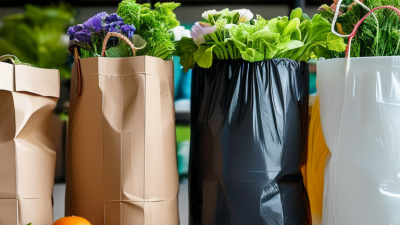
When considering alternatives to plastic bags, several options stand out. Reusable cloth bags are a popular choice. They are durable, versatile, and can last for years. Many people use them for groceries or daily errands. However, users must remember to keep them clean. Failing to do so can lead to hygiene issues.
Biodegradable bags are another alternative. Made from natural materials, they break down over time. These bags help reduce pollution. Yet, they still require proper disposal to ensure they degrade as intended. It's essential to check local regulations on their disposal. Compostable options also exist, but they often require specific conditions to break down effectively.
Despite these alternatives, they come with challenges. Some may be more expensive or less convenient than plastic bags. People need to adapt their habits. Education on using and maintaining these alternatives is crucial. A shift in mindset can lead to larger environmental benefits in the long run.
What is a Plastic Bag and Why Should You Care? - Alternatives to Plastic Bags and Their Benefits
| Alternative |
Material |
Reusability |
Environmental Impact |
Cost |
| Reusable Cloth Bag |
Cotton or Polyester |
High |
Low, reduces plastic consumption |
$5 - $20 |
| Paper Bag |
Recycled Paper |
Moderate |
Biodegradable, but deforestation concerns |
$0.50 - $2 |
| Biodegradable Bag |
Cornstarch or PLA |
Single-use |
Breaks down in composting facilities |
$0.10 - $0.50 |
| Jute Bag |
Jute Fiber |
High |
Sustainable and durable |
$5 - $15 |
| Tote Bag |
Canvas or Heavy Duty Fabric |
High |
Promotes reusability |
$10 - $30 |
Legislation and Initiatives for Reducing Plastic Bag Use
Plastic bags have become a significant environmental concern. They are lightweight and convenient, but their impact on our planet is severe. According to the World Economic Forum, it is estimated that about 1 trillion plastic bags are used annually worldwide. Unfortunately, only a small percentage gets recycled. Many end up in oceans, harming marine life. Legislative initiatives are increasingly focused on reducing this crisis.
Various regions have implemented bans and fees on plastic bags. In 2019, California became the first state in the U.S. to ban single-use plastic bags. This legislation prompted a shift in consumer behavior. A study found that plastic bag use decreased by 40% after the ban. Other regions, such as the European Union, aim to eliminate single-use plastics completely by 2021.
The push for change is not just about laws. Community initiatives play a critical role. Many organizations advocate for reusable alternatives and educational programs. These efforts help raise awareness, but they face resistance. Change can be slow. Some communities struggle with the transition to sustainable practices. The call for action is urgent. Everyone must actively participate in reducing plastic waste.