Why is Plastic Bag Printing Important for Sustainable Packaging?
Plastic Bag Printing plays a crucial role in the sustainable packaging landscape. In recent years, the global market for sustainable packaging has surged, valued at approximately $500 billion in 2022. With growing consumer awareness, companies are increasingly focusing on eco-friendly materials and designs. Plastic bag printing provides a way to enhance brand visibility while promoting sustainability.
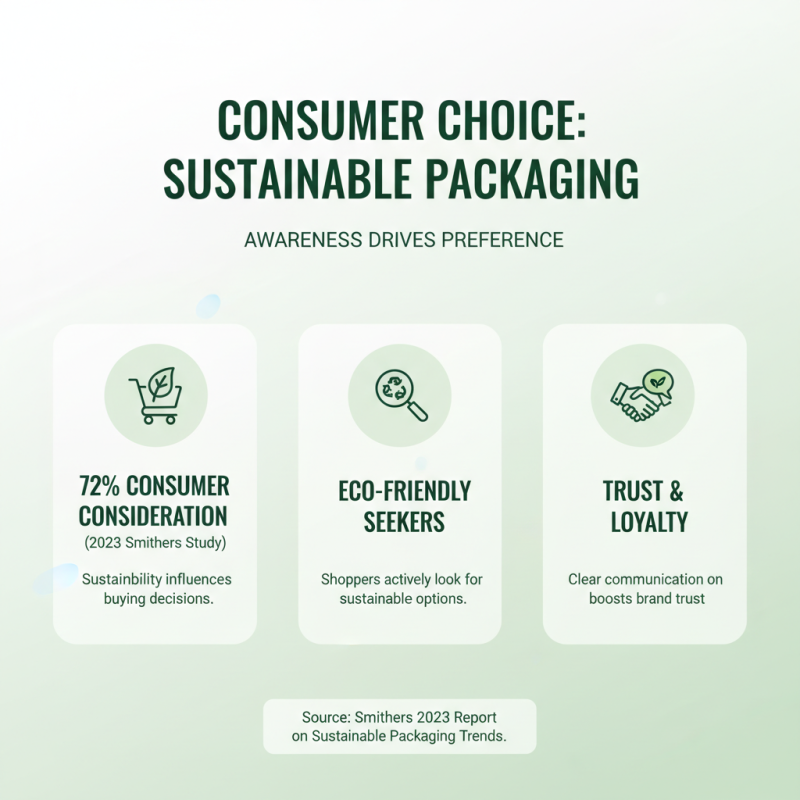
Many businesses are now targeting an eco-friendly image. According to a report by Smithers Pira, around 60% of consumers prefer brands that use sustainable packaging solutions. This shift presents both an opportunity and a challenge. Companies must navigate the delicate balance between appealing aesthetics and environmental impact.
In addition to aesthetics, plastic bag printing allows for innovative designs that can be recycled. Many manufacturers are investing in water-based inks and biodegradable materials. However, the effectiveness of these initiatives can vary. For example, the impact of printed graphics on recycling rates is still under evaluation. This ongoing exploration highlights the necessity of a conscious approach to packaging that integrates both branding and sustainability.
Importance of Plastic Bag Printing in Sustainable Packaging Solutions
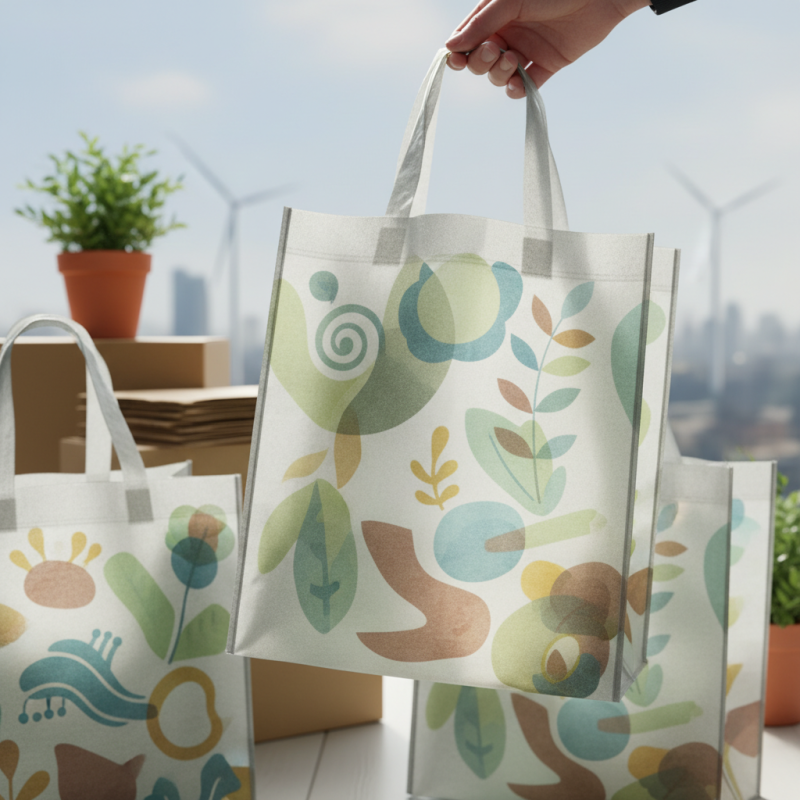
Plastic bag printing plays a vital role in sustainable packaging solutions. It enhances the visibility of brands while promoting eco-friendly messages. A well-designed printed bag can inform consumers about recycling practices. This encourages responsible behavior toward waste management.
Many consumers prefer products that are environmentally friendly. Printed plastic bags can communicate this ethos effectively. They can display certifications and eco-icons that symbolize sustainability. However, not all designs focus on these crucial elements. Some bags are visually appealing but lack informing characteristics. This gap suggests that the industry must rethink its approach.
Furthermore, effective printing techniques can reduce ink waste. Innovative technologies allow for high-quality designs with minimal environmental impact. Brands can choose biodegradable inks and sustainable materials. Yet, awareness and education are essential. Not every company prioritizes these practices. Consumers should demand transparency and accountability in packaging choices.
Importance of Plastic Bag Printing in Sustainable Packaging Solutions
Role of Branding and Communication in Eco-Friendly Packaging Design
In today’s eco-conscious market, branding plays a crucial role in sustainable packaging. Brands must communicate their commitment to the environment clearly. Packaging serves as a direct connection to consumers. It should tell a story and evoke emotional responses. The colors, design, and materials speak volumes about a brand's values.
Effective communication in eco-friendly packaging is not just about aesthetics. It's about transparency. Consumers demand to know the sourcing of materials and production processes. Bright graphics can catch attention, but neglecting the eco-message can lead to mistrust. Many companies fail to integrate both branding and sustainability effectively. This gap leads to confusion among consumers.
Moreover, using innovative designs can enhance the perception of a brand’s environmental efforts. Simple elements like biodegradable inks can reinforce a company’s eco-focus. Yet, many brands overlook how small details matter. Authentic messaging can create loyalty, but superficial claims can backfire. It’s essential for brands to reflect honestly on their practices and commitments in packaging.
Why is Plastic Bag Printing Important for Sustainable Packaging? - Role of Branding and Communication in Eco-Friendly Packaging Design
| Dimension |
Description |
Importance |
| Graphic Design |
Visually appealing designs on bags help attract consumers' attention. |
Enhances brand visibility and customer engagement. |
| Material Choice |
Using eco-friendly materials for printing and manufacturing bags. |
Promotes sustainability and reduces environmental impact. |
| Messaging |
Clear communication about reusability and recycling instructions. |
Educates consumers and encourages responsible behavior. |
| Cultural Relevance |
Incorporating local designs or symbols in bag printing. |
Resonates with the community and bolsters brand loyalty. |
| Durability |
High-quality printing that withstands wear over time. |
Ensures longevity of the brand message on bags. |
Environmental Impact of Printed Plastic Bags Compared to Alternatives
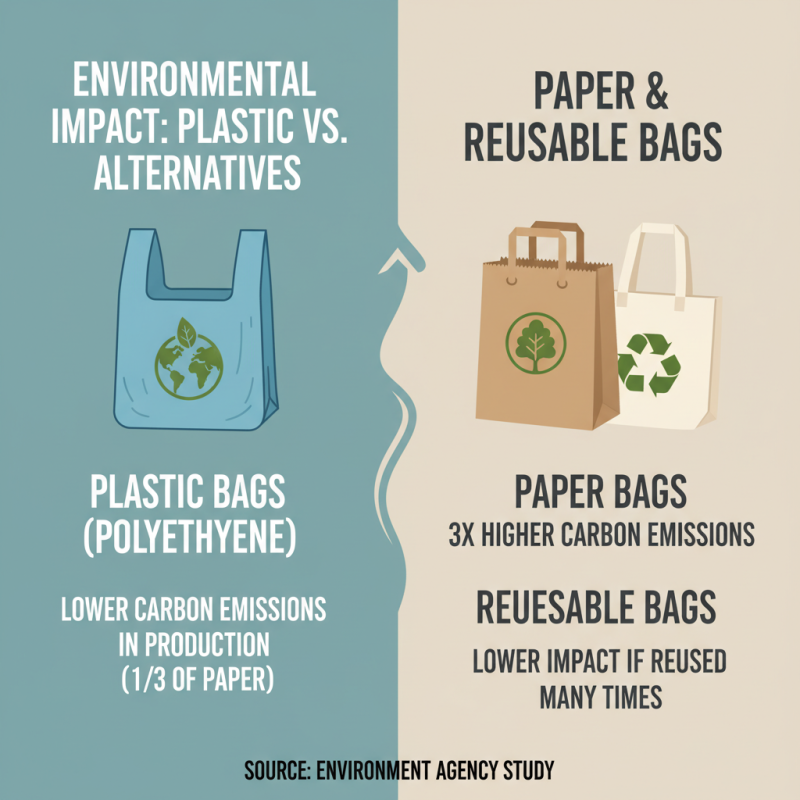
The environmental impact of printed plastic bags is a pressing issue. Research shows that plastic bags, when compared to alternatives like paper or reusable bags, have a unique environmental footprint. According to a study by the Environment Agency, the production of paper bags generates over three times the carbon emissions than polyethylene bags. This indicates that, for certain uses, printed plastic bags may be a more sustainable choice.
While biodegradable options present an appeal, they often decompose only under specific conditions, which are not always met in landfill situations. A report from the European Commission highlights that plastic bags can be recycled efficiently, with up to 30% of them being reused in new products. However, challenges remain regarding consumer habits and recycling infrastructure.
Moreover, the aesthetics of printed plastic bags can drive consumer choice. Engaging designs can encourage reuse, but they also have an environmental cost. The ink used for printing can impact recyclability and breakdown. Balancing creativity and environmental responsibility is crucial. The industry must explore innovations in eco-friendly inks and materials while addressing the shortcomings of existing options.
Technological Innovations in Sustainable Plastic Bag Printing Methods
Technological innovations in sustainable plastic bag printing are reshaping the packaging landscape. New printing methods are frequently emerging, prioritizing eco-friendliness. Techniques like water-based inks and biodegradable materials are gaining traction. These advancements reduce chemical pollution and promote a circular economy. Brands are now more conscious of their packaging choices.
Using eco-conscious printing materials is vital. Look for suppliers that utilize sustainable practices. Ensure they offer certifications to back their claims. Companies that prioritize innovation are often the ones leading the market. This focus on sustainability can improve a brand’s image significantly.
When considering printing options, think beyond aesthetics. Pay attention to durability and recyclability. The printed design should not only be appealing but should also align with environmental values. Remember, even small changes in printing practices can lead to significant environmental impacts. Be open to exploring unconventional options. Being proactive can foster a culture of sustainability within your business.