Leave Your Message
Choosing the right Plastic Wrapper is not simply a matter of selecting the thinnest film or the lowest price. The wrapper must protect the product, support safe handling, and fit the real packaging process. A bakery item may need moisture resistance, while fresh produce may require airflow. A sharp-edged product needs stronger puncture protection. Small differences matter.
Robert Lilienfeld, a recognized packaging sustainability expert, has said, “The most sustainable package is the one that protects the product.” This principle gives buyers a practical starting point. A wrapper that prevents crushing, leakage, or spoilage can reduce product waste. However, sustainability claims should be examined carefully. “Eco-friendly” is not a complete specification.
This guide explains how to compare Plastic Wrapper materials, thicknesses, sealing performance, clarity, and print quality. It also considers storage conditions, transport distance, machine compatibility, and end-of-life options. Hold the film under bright light. Check its flexibility. Test the seal after cooling. Real performance can differ from a sample sheet.
The choice is rarely perfect. That deserves honesty. A thinner wrapper may reduce material use but fail during distribution. A heavier film may perform better but create a larger material footprint. Reliable decisions require product trials, supplier documentation, and measurable results. Ask direct questions. Request testing data. Review the entire packaging journey, from production to disposal.
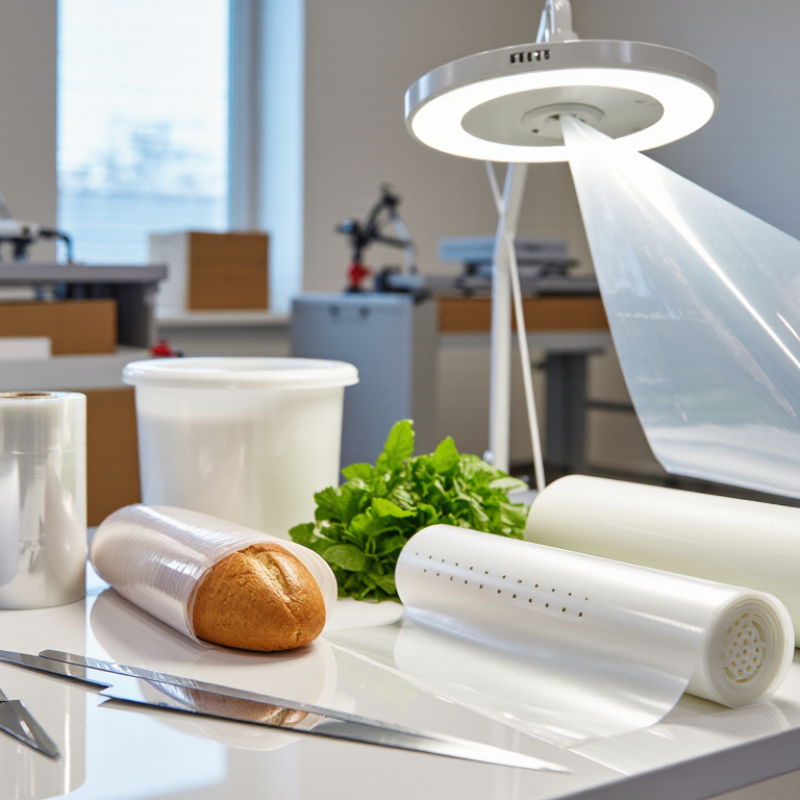
How to Choose the Right Plastic Wrapper?
Define the product before choosing a plastic wrapper. A dry snack needs protection from moisture and oxygen. Fresh produce may need airflow instead. A liquid product requires stronger seals and resistance to puncture. Product shape matters too. Sharp corners can stress thin film during transport. Temperature also changes performance. Frozen goods need flexibility, while hot filling demands heat resistance. The wrong choice may look acceptable on the shelf, yet fail inside a warehouse.
Purpose should guide every specification. UNEP’s Food Waste Index Report 2024 estimates that 1.05 billion tonnes of food were wasted in 2022. Effective wrapping can help extend freshness, but excessive material creates another problem. The OECD’s Global Plastics Outlook reports that global plastic waste reached 353 million tonnes in 2019. This tension deserves honest testing. Compare barrier performance, seal strength, thickness, and end-of-life options. Ask for measured oxygen transmission rate and water vapor transmission rate under relevant conditions. One test is not enough. Humidity, stacking pressure, and transport vibration can expose weaknesses.
Tips: Write the required wrapping conditions first. Include product temperature, shelf life, filling speed, storage humidity, and shipping distance. Test the wrapper with the actual product, not only empty samples. A thinner film may reduce material use, but it can increase leakage and waste. Review the result carefully. “Recyclable” is not automatically practical everywhere. Select the structure that protects the product with the least reasonable material, then verify it through repeat trials and documented data.
| Product Type | Primary Purpose | Recommended Wrapper Structure | Typical Thickness | Important Properties | Required Wrapping Conditions | Selection Notes |
|---|---|---|---|---|---|---|
| Fresh Produce | Reduce moisture loss while allowing respiration and visibility. | Perforated polyethylene (PE) or polypropylene (PP) film; breathable micro-perforated film for selected crops. | 15–40 micrometres | Moisture control, oxygen and carbon-dioxide balance, clarity, sealability, puncture resistance. | Refrigerated storage commonly around 0–8°C; avoid excessive condensation and oxygen restriction. | Perforation size and density must match the crop, package size, temperature, and expected shelf life. |
| Bread and Bakery Products | Prevent staling, contamination, crushing, and moisture migration. | Low-density polyethylene (LDPE) or oriented polypropylene (OPP/BOPP) film; laminated film when higher barrier is needed. | 25–60 micrometres | Clarity, flex-crack resistance, heat sealability, moisture barrier, printability. | Wrap only after the product has cooled sufficiently to limit internal condensation. | Use a stronger film or gusseted bag for products with sharp crusts or high handling loads. |
| Frozen Food | Protect against freezer burn, dehydration, odor transfer, and mechanical damage. | Multilayer PE-based film or high-barrier laminate with a sealant layer. | 50–120 micrometres | Low-temperature flexibility, puncture resistance, water-vapor barrier, strong seals. | Storage may reach approximately −18°C or lower; seals must remain flexible and leak-resistant. | Evaluate the complete package after freezing, transport vibration, and repeated temperature changes. |
| Fresh Meat and Seafood | Contain liquid, limit oxygen exposure when required, and provide puncture protection. | PE stretch film for overwrap; multilayer barrier film for vacuum or modified-atmosphere packaging. | 30–100 micrometres | Puncture resistance, oxygen barrier, seal integrity, controlled permeability, leak resistance. | Cold-chain handling, typically 0–4°C for chilled products; hygienic sealing is essential. | Select permeability according to the product, gas mixture, package volume, and intended shelf life. |
| Dry Foods and Snacks | Block moisture, oxygen, light, and aroma loss. | BOPP/PE laminate for moderate protection; metallized film or foil laminate for high barrier requirements. | 50–100 micrometres total laminate thickness | Low water-vapor transmission, oxygen barrier, aroma retention, light protection, machinability. | Pack in a dry environment; keep seals free from powder, oil, and product particles. | Use high-barrier structures for products containing sensitive oils or those requiring long shelf life. |
| Liquids and Sauces | Prevent leakage, preserve flavor, and withstand filling and distribution. | Multilayer PE or PP pouch film; barrier laminate when oxygen or light sensitivity is significant. | 70–150 micrometres | Seal strength, flex-crack resistance, chemical compatibility, puncture resistance, barrier performance. | Control filling temperature and keep the seal area clean; test for pressure and drop resistance. | Confirm compatibility with acidic, oily, alcoholic, or high-salt contents before production. |
| Industrial Components | Protect parts from dust, abrasion, moisture, corrosion, and handling damage. | Heavy-duty PE film, shrink film, or multilayer barrier bag; antistatic or VCI-compatible film when required. | 75–200 micrometres | Tensile strength, tear resistance, puncture resistance, moisture barrier, antistatic performance. | Consider warehouse humidity, outdoor exposure, temperature range, stacking, and transport vibration. | Use cushioning or a thicker structure when edges, corners, or high compression loads could damage the film. |
| Retail Bundles and Pallet Loads | Unitize products, stabilize loads, and reduce dust and handling damage. | Stretch PE film for load containment; shrink PE film when a tight presentation package is needed. | Stretch film: 12–30 micrometres; shrink film: 40–100 micrometres | Stretchability, holding force, tear resistance, puncture resistance, controlled shrink response. | Apply with consistent tension; avoid excessive heat and ensure the load is stable before wrapping. | Match film performance to load weight, corner sharpness, pallet geometry, and distribution distance. |