How to Choose the Best Food Packaging Materials for Your Products?
In the ever-evolving world of Food Packaging, selecting the right materials is crucial. The packaging industry has seen significant growth, with a projected value of $600 billion by 2025, according to recent market analysis. This growth reflects an increasing focus on sustainability and consumer preferences. As mentioned by Dr. Emily Carter, a noted food packaging expert, "The right packaging can make or break a product's success."
When choosing materials, factors such as durability, safety, and environmental impact come into play. Innovative options, like biodegradable plastics and recycled materials, are gaining traction. However, these advancements often come with trade-offs. For example, while eco-friendly options help reduce waste, they might not always provide the same level of protection as traditional materials.
Brands must carefully consider their choices to align with market trends while meeting consumer expectations. The ideal packaging balances functionality and sustainability, yet many still struggle with this. As the Food Packaging sector continues to evolve, ongoing adjustments will be necessary to address these emerging challenges.
Understanding the Importance of Food Packaging Materials
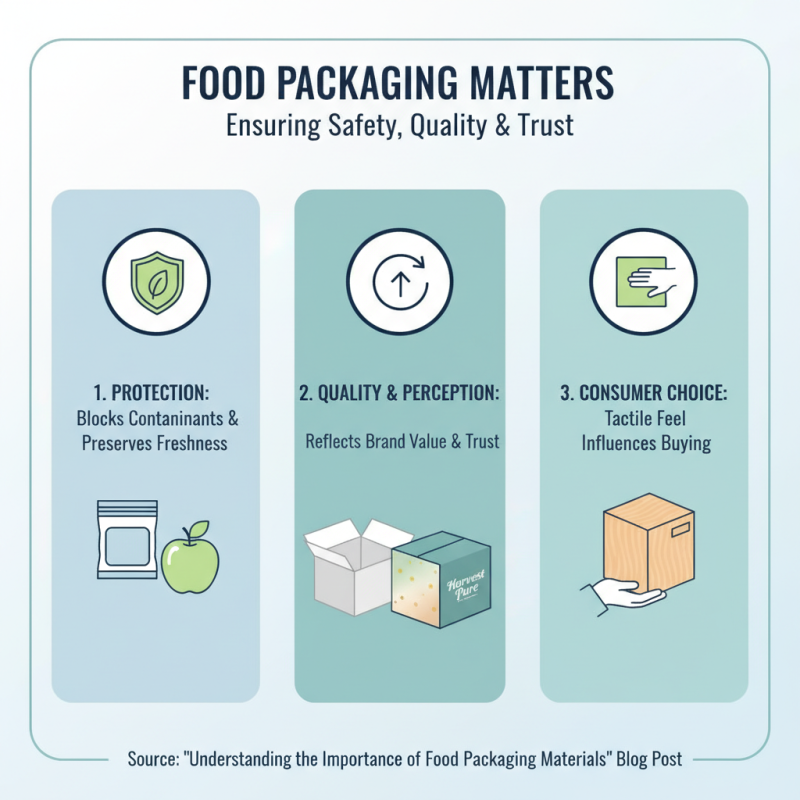
Food packaging materials play a crucial role in ensuring the safety and quality of products. They protect food from contaminants and preserve freshness. Choosing the right materials affects how consumers perceive your product. A well-packaged item can evoke trust and brand loyalty. The tactile feel of a package also matters; it influences the decision to buy.
Biodegradable options are gaining popularity in response to environmental concerns. However, they may not always provide the same protection as traditional materials. Evaluating the trade-offs is essential. For example, does the eco-friendly option maintain product freshness? Will it withstand shipping conditions? These are questions that should be asked during the selection process.
Many businesses overlook the importance of packaging design. It's not just about looks; functionality is key. A package that is difficult to open can frustrate customers. Likewise, products that leak can lead to losses. Reflecting on these aspects can highlight areas for improvement. Finding the right balance between sustainability and practicality is an ongoing challenge. Embracing feedback from customers can lead to better decisions in the future.
Evaluating Different Types of Food Packaging Materials
When evaluating food packaging materials, you must consider various options. Industry reports indicate that flexible packaging is now used in over 33% of food products. It is lightweight and minimizes waste. This option is gaining popularity due to its ability to preserve freshness and extend shelf life. However, some flexible materials can be less recyclable, raising sustainability concerns.
Rigid packaging, like glass and plastic, also plays a significant role. Around 26% of consumers prefer glass for food packaging due to its safety and recyclability. Yet, it is heavier and more fragile than alternatives. This trade-off makes it essential to balance consumer preferences and packaging functionality. Each choice comes with its benefits and drawbacks.
Biodegradable options are on the rise, as indicated by a market growth of over 20% recently. These materials appeal to eco-conscious consumers. Still, challenges remain in terms of cost and performance. Ensuring the integrity of the product while being environmentally friendly can be difficult. It is important to continuously assess materials and their impact on both quality and sustainability.
Evaluating Different Types of Food Packaging Materials
This chart illustrates the environmental impact and cost-effectiveness of various food packaging materials commonly used in the industry. The materials evaluated include Glass, Plastic, Metal, and Biodegradable options. Each material is assessed on a scale from 1 to 10, where 10 represents the lowest environmental impact or highest cost-effectiveness.
Assessing Food Safety Standards and Regulations
When selecting food packaging materials, understanding food safety standards is crucial. These regulations ensure that packaging does not compromise food quality. Different products have unique requirements. For example, perishable items need moisture-resistant materials. Non-perishables may have more options. It is vital to assess these needs closely.
Tips: Always check for food-safe certifications. This can save you from potential health issues. Use materials that are easy to recycle. This helps the environment and appeals to eco-conscious consumers.
Compliance with local and international standards is mandatory. Knowing your target market can help you choose suitable packaging. Some materials may be safe in one country but not in another. Test your packaging for leaching substances. This process might be an extra cost, but it's worth it.
Tips: Stay updated on changes in regulations. This ensures your products remain compliant. Revisit your supplier choices regularly. Evaluate their commitment to safety and quality.
Considering Environmental Impact and Sustainability
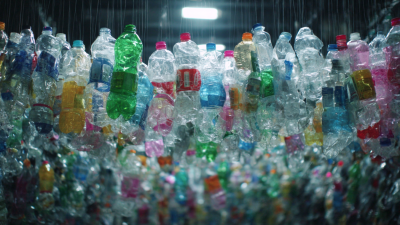
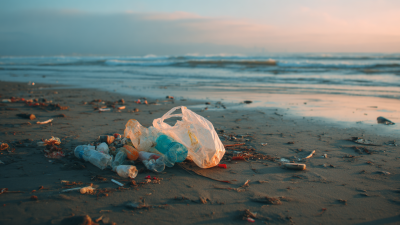
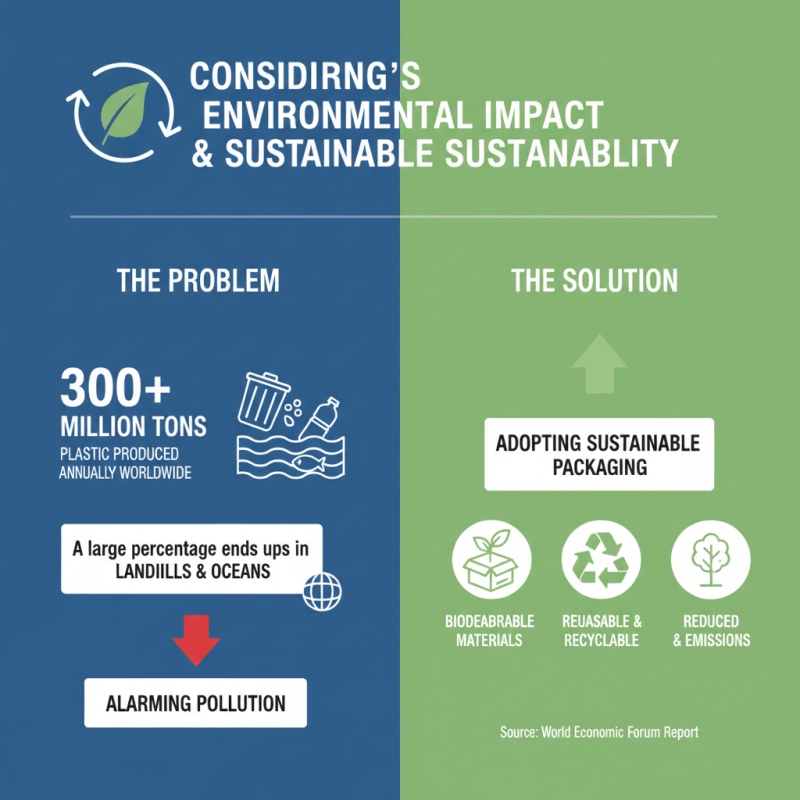
In today's world, packaging choices significantly impact the environment. A report from the World Economic Forum highlights that over 300 million tons of plastic are produced annually, with a large percentage ending up in landfills or oceans. This alarming statistic emphasizes the urgency of adopting sustainable packaging solutions.
Many businesses now consider biodegradable materials. For example, compostable packaging can break down in composting environments within a few months. In contrast, conventional plastic may take hundreds of years to decompose. However, some compostable options still require industrial conditions to effectively degrade.
Furthermore, recycled materials offer another avenue for sustainability. Using recycled content reduces energy consumption and minimizes waste. For instance, packaging made from post-consumer recycled content can cut greenhouse gas emissions by 30%. Yet, the recycling rates are still disappointingly low. In the U.S., only 9% of plastic waste gets recycled effectively. This highlights a need for improvement in consumer education and recycling systems.
Overall, making sound choices in food packaging involves balancing functionality with environmental responsibility. It’s not a perfect journey. Companies often wrestle with costs and material availability. Finding the best materials should be a continuous effort toward sustainability.
Cost Analysis and Budgeting for Packaging Solutions
When choosing food packaging materials, cost analysis is crucial. Packaging decisions can significantly affect your overall budget. Eco-friendly options often come with a higher upfront cost. However, they may save money over time due to increased consumer interest and loyalty.
Consider the materials you use carefully. Plastics can be inexpensive but may hurt your brand image. Glass is durable yet heavier and more costly to transport. Paper products are often cheaper but may not offer the same level of protection.
Tips: Assess your target market. High-end consumers may prefer premium packaging, impacting your budget. Always compare suppliers for the best pricing. Invest time in research; a poor choice now may lead to larger costs later. Evaluate waste management too. Ignoring this can lead to hidden expenses as regulations tighten.