Why Choose Plastic Wrapper Packaging for Your Business Needs?
In today's fast-paced market, efficient packaging is essential for businesses. Plastic Wrapper Packaging stands out as a versatile solution. Its lightweight nature allows for easy transportation and reduced shipping costs. Many industries, from food to cosmetics, benefit from this durable option.
However, not all plastic wrappers deliver the same quality. It's crucial to choose reliable suppliers that adhere to safety regulations. Customers are becoming more eco-conscious. Therefore, investing in sustainable options is becoming increasingly popular. Brands must balance functionality with environmental responsibility.
Understanding the diverse applications of Plastic Wrapper Packaging can enhance your product's appeal. It offers moisture resistance, preserving freshness and extending shelf life. Consumers appreciate transparent packaging, which showcases the product inside. While the benefits are clear, businesses should continually evaluate their packaging choices. This reflection can lead to improved processes and customer satisfaction.

Understanding Plastic Wrapper Packaging and Its Benefits
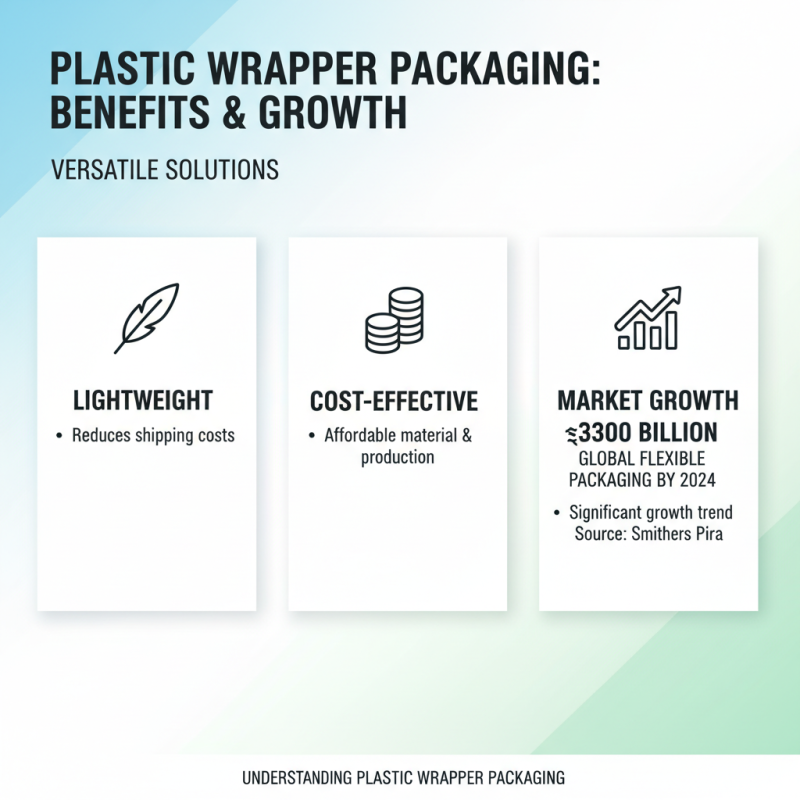
Plastic wrapper packaging offers a versatile solution for various business needs. This type of packaging is lightweight and cost-effective. According to a report by Smithers Pira, the global flexible packaging market will reach approximately $300 billion by 2024. This indicates a significant growth trend in flexible packaging, notably plastics.
One of the key benefits of plastic wrapper packaging is its durability. It protects products from moisture and contamination. This attribute is vital for companies dealing with food or medical supplies. A study by Technavio found that 55% of consumers prefer products with effective packaging due to enhanced safety. However, businesses must consider the environmental impact of plastic waste.
Moreover, plastic wrappers can be customized easily. They can feature vibrant graphics that enhance brand visibility. According to a survey by the Flexible Packaging Association, 79% of brands noted improved sales with attractive packaging. Still, brands need to balance aesthetics and sustainability. Finding recyclable materials or reducing plastic use remains a challenge in the industry.
The Environmental Impact of Plastic Wrapper Packaging
Plastic wrapper packaging has a notable environmental impact, making thoughtful choices essential. While plastic is lightweight and durable, its production contributes to greenhouse gas emissions. Many businesses tout convenience, but overlooking sustainability can lead to ecological harm.
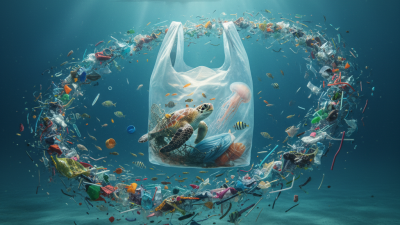
The disposal of plastic is another concern. Millions of tons end up in landfills or oceans yearly. This waste affects wildlife and ecosystems. Alternatives exist, but they may not always meet business requirements.
Balancing environmental responsibility with practicality is a challenge many companies face today.
Moreover, industries are exploring innovations to reduce plastic's negative effects. Biodegradable options are emerging, yet they often come with a higher price tag. Businesses must weigh the costs against potential long-term benefits.
The dialogue around plastic wrapper packaging will evolve as consumers demand more eco-friendly choices.
Cost-Effectiveness of Using Plastic Wrapper Packaging
Plastic wrapper packaging presents a compelling option for businesses seeking cost-effective solutions. Its lightweight nature reduces shipping costs significantly. Companies can stack more products in a single shipment. This efficiency translates into lower transportation expenses over time. Moreover, plastic materials are often less expensive than alternatives like glass or metal.
Another benefit is the flexibility in design. Custom sizes and shapes can cater to specific products. Brands can enhance their visibility without incurring high costs. However, it is essential to strike a balance between cost and sustainability. Many businesses face dilemmas regarding environmental impact. Investing in recyclable plastic materials might seem more expensive upfront. But, they can attract eco-conscious consumers and build brand loyalty.
Furthermore, long-term savings from reduced breakage or spoilage are worth considering. Well-sealed plastic packaging prolongs product life and decreases waste. On the other hand, some stakeholders may question the perception of quality linked to plastic. Addressing these concerns through transparent communication is crucial. Researching materials that offer both durability and an appealing look can help.
Versatility and Customization Options in Plastic Wrapper Packaging
Plastic wrapper packaging offers remarkable versatility and customization options for various business needs. This packaging type can be tailored to meet specific requirements. From size to shape, businesses have the flexibility to create unique packaging solutions. Vibrant colors and eye-catching designs can draw consumer attention. Custom designs can enhance brand identity.
**Tips:** Consider experimenting with different textures. Matte or glossy finishes can impact consumer perception. Analyze how your target audience reacts to these changes. Small adjustments can make a significant difference.
Moreover, using plastic wrappers allows for incorporating essential information easily. Ingredients, usage instructions, or promotional messages can be printed directly on the wrapper. This keeps content clear and accessible while maintaining aesthetic appeal. Custom labeling options promote brand storytelling.
**Tips:** Focus on clarity in your message. People appreciate easy-to-read information. Test various fonts and layouts to determine the most effective combination. Regularly gather feedback to refine your approach over time.
Comparative Analysis: Plastic Wrapper Packaging vs. Other Packaging Types
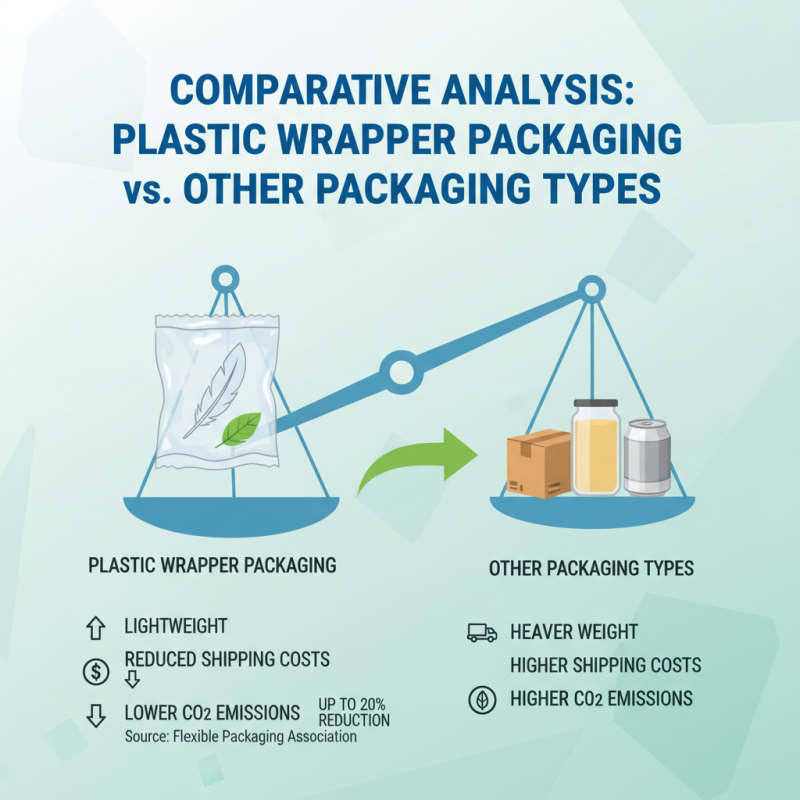
Plastic wrapper packaging offers unique advantages compared to other packaging types. First, it boasts lightweight properties. This feature reduces shipping costs and energy usage during transportation. A report by the Flexible Packaging Association indicates that using flexible packaging can reduce carbon emissions by up to 20%. Such data emphasizes its environmental potential.
In contrast, rigid packaging materials like glass or metal can create waste and incur higher transportation costs due to their weight. They are often less efficient in terms of space utilization. According to a research study by Smithers Pira, flexible packaging can save 22% of packaging space. This efficiency is critical in today's supply chain.
However, reliance on plastic wrappers raises sustainability concerns. The packaging industry creates plastic waste that poses environmental challenges. Companies are seeking biodegradable alternatives. Yet, finding a perfect balance between functionality and sustainability remains a complex issue. In conclusion, choosing plastic wrapper packaging requires weighing benefits against environmental responsibilities. Understanding the comparative analysis aids companies in making informed decisions.