Leave Your Message

China Best Food Packaging Manufacturers for Global Buyers

Choosing reliable China food packaging manufacturers can shape product safety, presentation, and long-term purchasing costs. Global buyers often compare factories by price, yet price alone reveals little about consistency. A low quotation may exclude printing plates, tooling, testing, or export-ready cartons. Details matter. During supplier evaluations, practical evidence is more useful than attractive catalogs. Buyers should request material specifications, production photos, sample packs, and recent quality records. They should also confirm whether the factory produces flexible pouches, paper boxes, trays, bottles, or other packaging in-house. Not every supplier fits.

This guide examines China’s Food Packaging manufacturers through a buyer-focused lens. It considers production capability, customization, communication, lead times, and quality-control procedures. Relevant certifications may support confidence, but buyers should verify their scope, validity, and issuing organization. A certificate is not a substitute for product testing. Samples should be checked for seal strength, odor, print alignment, dimensions, and surface damage. For food-contact applications, documentation must match the intended market and material. Requirements can vary widely across regions. Small details often become expensive problems.

A polished factory website can still hide weak follow-up. I have seen supplier comparisons fail because buyers skipped a clear specification sheet. That mistake is common, and it deserves attention. Direct questions, written approvals, and pre-shipment inspections can reduce uncertainty. This overview does not promise a perfect supplier choice. Instead, it offers a practical starting point for identifying capable manufacturers, asking better questions, and building dependable global sourcing relationships.
China Best Food Packaging Manufacturers for Global Buyers

Types of Food Packaging Manufacturers in China

China’s food packaging sector includes several manufacturer types, and each serves different purchasing needs. Flexible packaging factories produce stand-up pouches, roll film, sachets, and laminated bags. They often support custom printing, barrier layers, and multiple sealing options. These materials suit snacks, coffee, frozen foods, and powdered products.

Rigid packaging manufacturers make plastic tubs, trays, bottles, and containers. Their strengths usually include injection molding, thermoforming, and high-volume production. Buyers should check wall thickness, closure fit, drop resistance, and food-contact documentation. Small details matter. A weak lid can damage an otherwise reliable package.

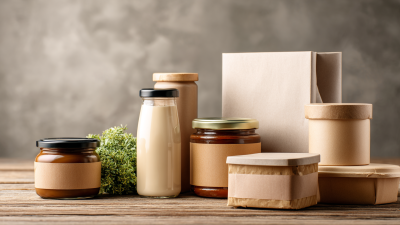
Paper packaging factories produce cartons, paper bags, and coated food boxes. Some facilities also make molded-pulp trays from recycled fiber. These options may support dry foods and takeaway applications, but moisture resistance requires careful testing. Custom packaging manufacturers combine design, printing, sampling, and production under one workflow. Contract manufacturers may also provide filling, sealing, labeling, and secondary packing services. However, not every factory controls every process internally. That point is easy to overlook.

Experienced buyers normally review factory audits, material specifications, migration test reports, and batch traceability records. They also request physical samples before approving mass production. Ask how defects are recorded and corrected. A polished sample is not enough. Production consistency deserves equal attention. Clear communication about dimensions, tolerances, shelf life, and shipping conditions reduces costly revisions. Supplier selection can feel simple at first, but practical verification often changes the decision.
China Best Food Packaging Manufacturers for Global Buyers

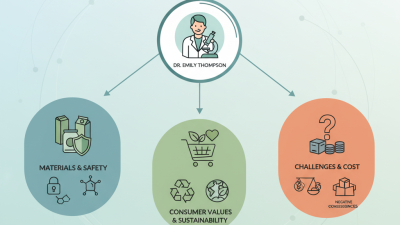
This chart compares major food packaging manufacturer types in China by the number of common packaging formats they typically produce. The figures are representative format counts, not market-share data.

Flexible packaging includes films, pouches, sachets, bags and wraps. Rigid plastic includes bottles, cups, tubs, trays and clamshells. Paper and paperboard includes cartons, folding boxes, sleeves and paper cups. Glass includes jars and bottles, while metal includes cans, tins and trays. Compostable packaging includes bags, films and molded-fiber containers.

Key Manufacturing Standards and Quality Certifications

China Best Food Packaging Manufacturers for Global Buyers

Key Manufacturing Standards and Quality Certifications

Reliable food packaging begins with controlled production, not attractive samples. Experienced manufacturers should operate documented GMP procedures, HACCP-based risk controls, and a certified food safety management system such as ISO 22000. These systems should cover raw material approval, ink control, adhesive safety, production hygiene, and traceability. Ask how quickly a factory can identify one affected batch. A clear answer matters.

Certifications require careful checking. Buyers should verify the certificate holder, factory address, product scope, and expiry date with the issuing body. Testing should match the intended use, including food-contact migration, odor, heavy metals, and temperature resistance. A pouch for frozen food needs different evidence from a container used for hot filling. The details matter more than a certificate logo.

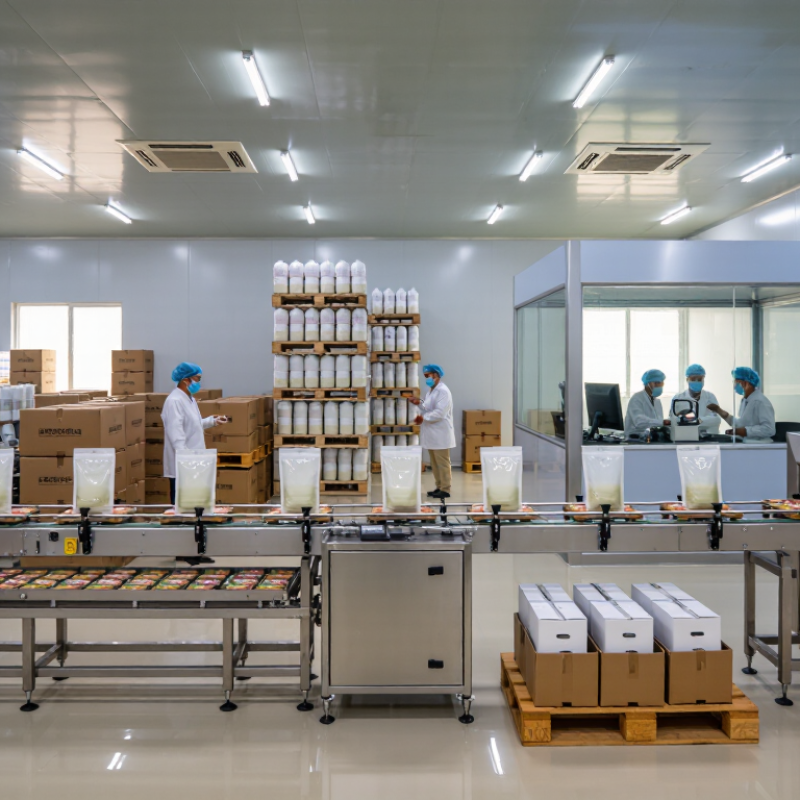
Good factories also maintain incoming inspections and retain production samples. During an audit, look for clean storage racks, sealed raw materials, calibrated instruments, and visible batch records. One weakness remains common: paperwork may appear stronger than daily practice. Audits cannot guarantee every shipment. Request recent corrective-action reports, independent laboratory results, and a pre-shipment inspection. I would also test packaging under real transport conditions, because a perfect seal can fail after vibration, stacking, or humidity.

China Best Food Packaging Manufacturers for Global Buyers - Key Manufacturing Standards and Quality Certifications

Evaluation Dimension Relevant Standard or Certification Key Requirement Typical Verification Evidence Global Buyer Relevance
Food Safety Management ISO 22000 Requires a documented food safety management system based on hazard control, prerequisite programs, communication, and continual improvement. Valid certificate, defined scope, internal audit records, corrective-action reports, and certification-body audit results. Provides a globally recognized framework for managing food-contact packaging risks.
Hazard Analysis and Preventive Controls HACCP Principles Identifies biological, chemical, and physical hazards throughout material handling, production, storage, and distribution. Hazard analysis, critical-control-point records, monitoring logs, sanitation procedures, and verification records. Supports preventive risk management before packaging reaches the food supply chain.
Good Manufacturing Practice GMP Requirements Covers hygienic facility design, personnel practices, equipment maintenance, cleaning, pest control, and production controls. Facility-inspection records, sanitation schedules, employee training records, pest-control reports, and maintenance logs. Reduces contamination and foreign-material risks during manufacturing.
Materials in Contact with Food EU Framework Regulation (EC) No. 1935/2004 Materials must not transfer substances to food in quantities that endanger health, change food composition, or adversely affect taste or odor. Declaration of compliance, material specifications, migration-test reports, and traceability documentation. Important for products entering European Union markets.
Plastic Food-Contact Compliance EU Regulation (EU) No. 10/2011 Sets requirements for plastic materials and articles intended to contact food, including authorized substances and migration limits. Overall and specific migration tests, positive-list review, formulation information, and a declaration of compliance. Helps buyers assess plastic pouches, films, trays, containers, and closures for EU supply.
United States Food-Contact Compliance U.S. FDA Food-Contact Requirements Packaging components must comply with applicable FDA regulations, exemptions, or effective food-contact notifications for the intended use. Supplier compliance letter, regulatory citations, composition information, intended-use conditions, and laboratory test reports. Relevant to packaging imported into or used for food products sold in the United States.
Chemical Restrictions REACH and Applicable Restricted-Substance Controls Controls substances of concern and supports the communication and management of chemical content in products and supply chains. Restricted-substance declarations, supplier questionnaires, chemical test reports, and updated material disclosures. Supports responsible sourcing and regulatory review for international shipments.
Quality Management System ISO 9001 Establishes process control, customer requirements review, documented procedures, nonconformity management, and continual improvement. Valid certificate, quality manual, inspection plans, calibration records, complaint records, and corrective-action evidence. Improves consistency across repeat orders and custom packaging projects.
Packaging Safety Certification BRCGS Packaging Materials Addresses product safety, legality, quality, traceability, site standards, operational controls, and risk-based management for packaging materials. Current audit certificate, certification scope, audit grade, traceability tests, hygiene audits, and corrective-action records. Frequently requested by retailers, food processors, and private-label buyers.
Traceability Lot and Batch Traceability Links incoming raw materials, production batches, inspection results, finished goods, and shipment records. Batch codes, production records, supplier records, retention samples, mock-recall results, and shipping documents. Enables faster investigations, targeted recalls, and reliable inventory control.
Migration and Laboratory Testing Accredited Laboratory Testing, including ISO/IEC 17025 Laboratories Uses validated methods to evaluate migration, heavy metals, residual solvents, odor, color transfer, and other agreed parameters. Test report with sample identification, test method, conditions, detection limits, results, laboratory accreditation, and report date. Provides independent evidence that packaging meets the buyer's intended application and market requirements.
Printing and Ink Safety Food-Contact Ink and Printing-Process Controls Controls ink selection, curing or drying, set-off, cleaning, storage, and the separation of printed and food-contact surfaces. Ink technical data sheets, declarations of compliance, curing records, rub tests, odor tests, and printed-sample approvals. Reduces the risk of ink transfer, odor, and visual defects in finished packaging.
Physical Performance Buyer-Specified Packaging Test Protocol May include seal strength, leak resistance, tensile strength, burst resistance, drop testing, compression, thickness, and dimensional accuracy. Approved specifications, inspection reports, capability data, retained samples, and pre-shipment inspection results. Confirms that packaging can withstand filling, transport, storage, and normal consumer handling.
Environmental Management ISO 14001 Provides a systematic approach to environmental aspects, legal obligations, resource use, waste control, and continual improvement. Valid certificate, environmental objectives, waste records, legal-register review, energy data, and audit findings. Supports sustainability screening and environmental procurement requirements.
Recycled Content Claims Chain-of-Custody or Recycled-Content Verification Requires controlled sourcing, mass-balance or physical-traceability records where applicable, and accurate percentage claims. Supplier declarations, purchase records, production calculations, transaction records, and certification documents when applicable. Helps buyers substantiate recycled-content statements and sustainability reporting.

Note: Certification applicability depends on the packaging material, intended food contact, destination market, product use conditions, and the manufacturer's certified scope. Buyers should verify current certificates and obtain product-specific compliance documentation before approval.

How to Evaluate Chinese Packaging Suppliers

China Best Food Packaging Manufacturers for Global Buyers

Evaluating Chinese food packaging suppliers requires more than comparing online catalogs. Check their factory experience, production capacity, and material controls. Ask for recent food-contact test reports, not only scanned certificates. Verify each document with the issuing laboratory when possible. Inspect raw material storage, printing areas, sealing equipment, and finished-goods warehouses. Clean floors matter. So does traceability.

Request samples made with the same materials and machines used for mass production. Test seal strength, thickness, odor, moisture resistance, and print accuracy. Define acceptable tolerances in writing. A beautiful sample can hide weak performance. Review minimum order quantities, tooling fees, lead times, and replacement policies. Clear answers usually indicate stronger process control. However, fast replies do not always mean reliable delivery.

Use a video audit or an independent inspection before shipment. Ask how the supplier handles defective rolls, damaged cartons, and production delays. Confirm packaging dimensions and labeling requirements against your target market’s rules. Never rely on a supplier’s claim alone. I would also compare three quotations, but price should not lead the decision. The cheapest offer may exclude testing, proper coatings, or secure packing. One practical mistake is accepting vague promises about quality. Put every important detail into the purchase agreement. Then review the supplier again after the first order, because initial performance can be unusually careful.

Custom Design, Materials, and Production Capabilities

China has become a practical sourcing center for food packaging, especially when buyers need custom design and stable production. Experienced manufacturers can develop pouches, trays, cartons, cups, and protective inserts for different food categories. Design starts with product conditions, not decoration alone. Moisture, oil, oxygen, temperature, stacking, and transport distance all affect the final structure.

Material selection requires technical judgment.
Paper-based packaging suits dry goods and premium shelf presentation, while barrier films can protect products from humidity and oxidation. Recyclable structures are increasingly requested, but their performance must be tested rather than assumed. Food-contact materials should follow the buyer’s target-market requirements, with documented supplier records, migration testing, and batch traceability. Small details matter, such as seal strength, ink adhesion, odor control, and opening force.

Production capability should be checked through samples, pilot runs, and factory quality procedures. A reliable manufacturer can provide dielines, prototypes, color references, inspection reports, and clear tolerance limits. The process may include printing, lamination, forming, sealing, packing, and shipment inspection. Some samples look excellent but fail after heat exposure or long-distance transport. That is an uncomfortable lesson. Buyers should test real filling conditions before approving large-volume production, because a beautiful package can still perform poorly.

Export Process, Pricing, and Buyer Considerations

For global buyers, sourcing food packaging from China starts with a documented export process. Request factory registration, production photos, material specifications, and recent test reports. A live video audit can reveal storage conditions, printing controls, and carton labeling. Ask for samples made with the same materials used in mass production. They may look identical. However, seal strength can differ. Create a purchase specification covering dimensions, thickness, food-contact use, color tolerance, packing method, and inspection standards. Confirm whether the supplier handles export documents or uses an agent. Typical files include a commercial invoice, packing list, bill of lading, certificate of origin, and applicable compliance records. Keep every revision in writing.

Pricing should be compared through landed cost, not unit price alone. Request a quote showing MOQ, tooling, printing plates, inner cartons, freight terms, payment schedule, and lead time. A low price may hide high waste or expensive tooling. Ask for EXW, FOB, and delivered options when practical. Check tariff classification with your customs broker. For small orders, sea freight usually costs less but takes longer. Air freight can erase the saving. Place a pilot order before scaling. One mistake is accepting broad tolerances to reduce cost. That choice can cause poor fitting on automated filling lines. Recheck tolerances with your equipment team. Also test humidity resistance during transit. Some failures appear only after several weeks.