Top 10 Benefits of Pouch Packing for Global Buyers?
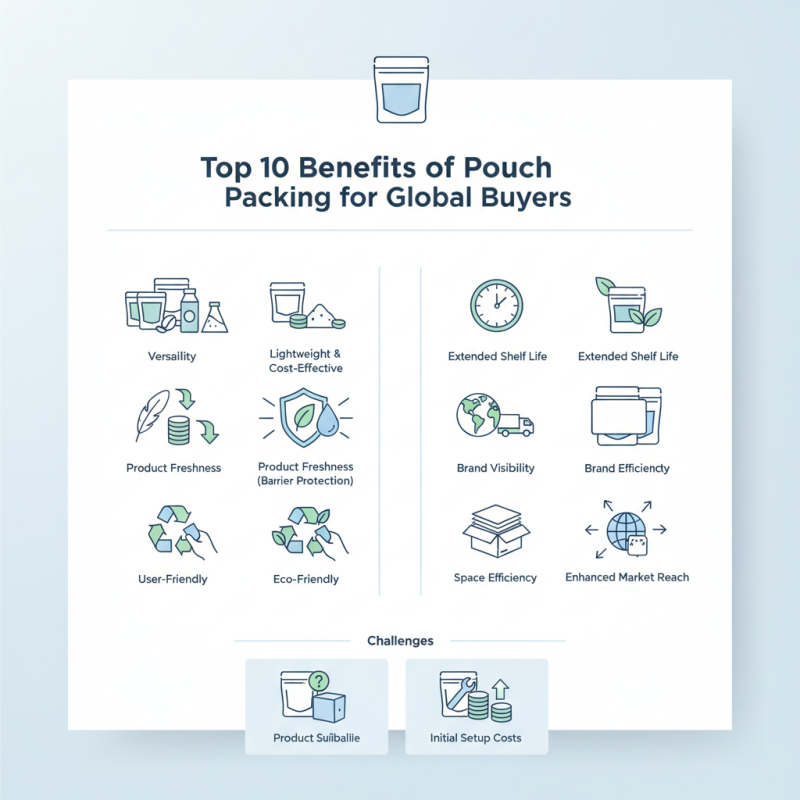
Pouch packing has gained tremendous popularity among global buyers. This innovative packaging solution offers numerous advantages that can't be overlooked. Pouch packing is versatile, lightweight, and cost-effective, making it ideal for various products. It provides an exceptional barrier against moisture, air, and light, ensuring product freshness.
One significant benefit of pouch packing is its environmental impact. Many pouch designs now utilize recyclable materials, appealing to eco-conscious consumers. Additionally, its user-friendly design allows for easy handling and storage, which can enhance the overall consumer experience. However, there are challenges. Not all products are suitable for pouch packing. Some buyers might hesitate due to initial setup costs or unfamiliarity.
Understanding the benefits of pouch packing can help businesses optimize their packaging strategies. This approach can lead to better market reach and customer satisfaction. Exploring the world of pouch packing reveals its potential. Yet, businesses must reflect on their specific needs and the products they offer to fully reap these benefits.
Understanding Pouch Packing: An Overview for Global Buyers
Pouch packing has gained significant traction among global buyers. This packaging method uses flexible pouches to store various products, from food items to personal care products. Its lightweight nature makes shipping more efficient. Pouches also take up less space compared to traditional containers, which can lower transportation costs. Buyers appreciate these advantages when considering their supply chain logistics.
Another key aspect of pouch packing is its sustainability. Many pouches are made from recyclable materials, aligning with eco-friendly practices. This is important for buyers who prioritize environmental responsibility in their purchasing decisions. However, some buyers may be wary of the durability of pouches compared to rigid packaging.
It’s essential for buyers to consider the shelf life of products in pouches. While many pouches provide excellent barrier protection, not all products will maintain freshness equally well. Buyers should choose suppliers who provide clear information on pouches' performance. Understanding these factors ensures informed purchasing decisions.
Improved Product Freshness and Shelf Life through Pouch Packaging
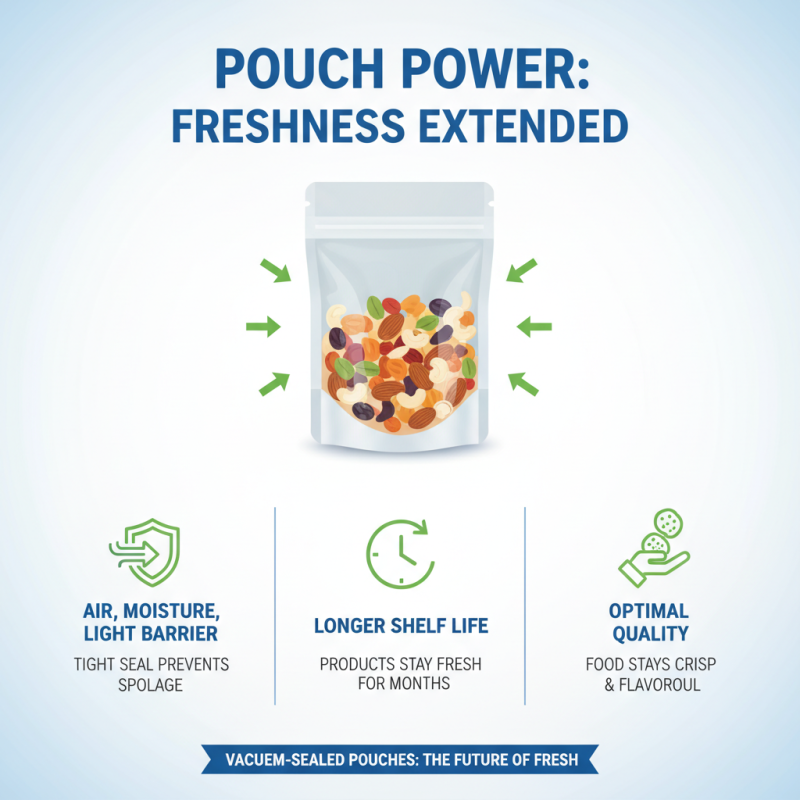
Pouch packing offers numerous advantages, particularly in improving product freshness and shelf life. Pouches are often sealed tightly, creating a barrier against air, moisture, and light. This sealing method significantly reduces the risk of spoilage. For products sensitive to environmental factors, this means longer-lasting freshness. A vacuum-sealed pouch can keep food items like snacks and dried fruits crisp and flavorful for months.
Additionally, the use of pouches can be tailored to specific products. For example, pouches with oxygen absorbers or UV blockers enhance preservation. These features help maintain texture and taste. It’s remarkable how a small change in packaging can lead to extended usability. Even so, not all pouches are created equal. Some may not provide adequate protection if not designed properly.
Another point to consider is the environmental impact of pouch packing. While many pouches are recyclable, they still consume resources in manufacturing. This raises questions about sustainability. Are we sacrificing the environment for convenience? As businesses shift towards pouch packaging, they must evaluate the long-term implications, balancing freshness with eco-friendliness.
Cost-Effective Solutions: Reducing Packaging and Shipping Expenses
Pouch packing offers significant cost-effective solutions for global buyers. The lightweight nature of pouches reduces shipping expenses. With lighter packaging, transport costs decrease, especially for international shipments. This is particularly beneficial for small businesses looking to expand their market reach without incurring high logistics costs.
Moreover, pouch packing often requires fewer materials than traditional packaging. This not only cuts down costs but also minimizes waste. Many manufacturers now adopt sustainable approaches. However, not all pouches are created equal; some may lack durability. Buyers should prioritize quality to avoid damage during transit.
Investing in pouch packaging can lead to direct savings. Yet, some businesses may not fully leverage this opportunity. It's essential to analyze current packaging methods and evaluate potential improvements. Many companies overlook this crucial step. Taking time for such reflection can yield better long-term results.
Top 10 Benefits of Pouch Packing for Global Buyers
| Benefit |
Description |
Impact on Costs |
| Cost Reduction |
Pouch packing uses less material than traditional packaging. |
Reduces overall packaging costs by 20%. |
| Space Efficiency |
Pouches are flexible and can be stacked easily. |
Optimizes transportation space leading to 15% shipping savings. |
| Lightweight |
Pouches are significantly lighter than rigid packaging. |
Lower shipping weights, reducing fuel costs by 10%. |
| Product Freshness |
Enhanced barrier properties keep products fresh for longer. |
Minimizes wastage due to spoilage. |
| Customization |
Pouches can be easily customized for branding. |
Increases marketability and customer engagement. |
| Easy to Open |
Pouches feature tear notches or easy open features. |
Enhances consumer experience, leading to repeat purchases. |
| Reduced Carbon Footprint |
Less material used means less environmental impact. |
Promotes sustainability and brand responsibility. |
| Versatility |
Pouches are suitable for various product types. |
Can cater to adjustments in market demand efficiently. |
| Enhanced Shelf Life |
Pouch seals protect contents from light and moisture. |
Increases product shelf life by up to 30%. |
| Consumer Appeal |
Modern designs attract younger consumers. |
Boosts sales due to higher appeal in target demographics. |
Sustainability Benefits of Pouch Packing for Eco-Conscious Buyers
Pouch packing is becoming increasingly popular among eco-conscious buyers. Recent studies show that flexible pouches can use up to 50% less material than rigid packaging. This reduces waste significantly. Many consumers are seeking alternatives that align with their sustainability goals. Pouch packing meets these needs.
In addition to material savings, pouches are lighter. This reduces transportation emissions. A study by the Sustainable Packaging Coalition states that lightweight packaging can lead to a 20% decrease in carbon footprint during shipping. Many buyers are unaware of how much packaging contributes to their overall environmental impact. Rethinking this aspect can lead to meaningful change.
However, not all pouches are created equal. Some may contain non-recyclable materials. This creates challenges for buyers focused on sustainability. More clarity is needed in labeling. Consumers deserve accurate information to make informed choices. Pouch packing offers benefits, but it’s essential to be critical of the options available in the market.
Enhancing Consumer Convenience with Pouch Packaging Design Options
Pouch packaging has transformed how products reach consumers globally. This innovative design focuses on enhancing convenience, which resonates with modern buyer preferences. Data from recent industry reports shows that 58% of consumers prefer pouches over traditional packaging due to their user-friendly attributes. Pouch packaging is easy to open, resealable, and lightweight, making it an attractive option for many products.
Consider the ergonomic design of pouches. Their shape fits well in the hand, improving the user experience. Additionally, pouches utilize less material than rigid containers, reducing waste. A study found that pouch packaging can lead to a 30% decrease in carbon footprint compared to alternatives. This eco-friendly aspect appeals to a growing segment of environmentally conscious consumers.
Tips: When designing pouches, focus on clear labeling. Information should be easy to read. Transparency is critical; consumers want to know what’s inside. Incorporating attractive graphics can further engage buyers. Test different designs to see what resonates. Remember, the right packaging can elevate your product and increase sales.
Top 10 Benefits of Pouch Packing for Global Buyers
This chart illustrates the top 10 benefits of pouch packing for global buyers, showcasing factors such as consumer convenience, cost efficiency, and eco-friendliness among others. Each benefit is rated based on its significance to buyers, providing a clear view of why pouch packaging is gaining popularity in various sectors.